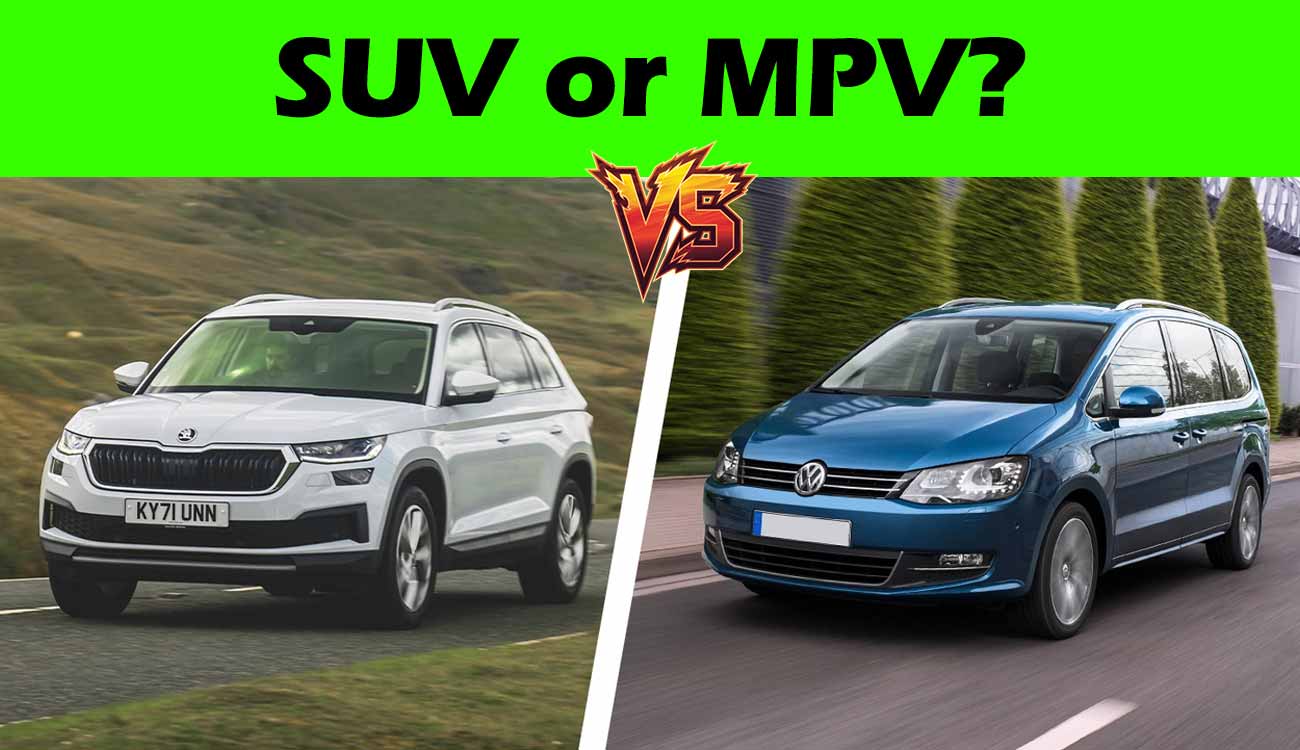
Choosing the right family vehicle can feel overwhelming, especially with so many options flooding the Indian automotive market. Two categories consistently top the wishlist of Indian families: SUVs and MPVs. Each offers distinct advantages, but which one truly fits your family’s needs?
This comprehensive guide breaks down the key differences between SUVs and MPVs, examining everything from space and comfort to fuel efficiency and safety. By the end, you’ll have the clarity needed to make an informed decision that serves your family for years to come.
What Makes SUVs Stand Out for Indian Families
Defining the SUV Experience
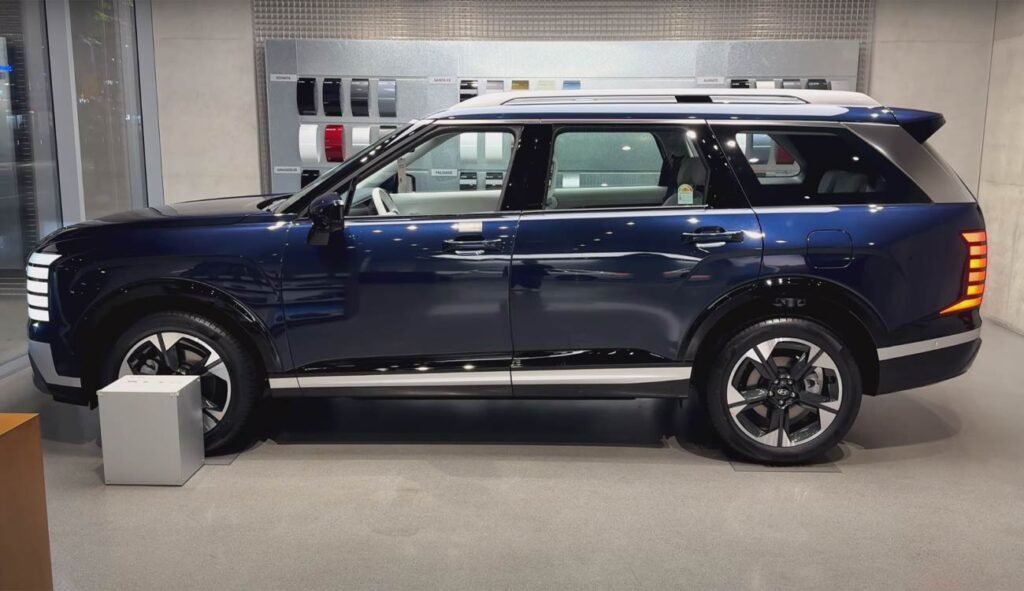
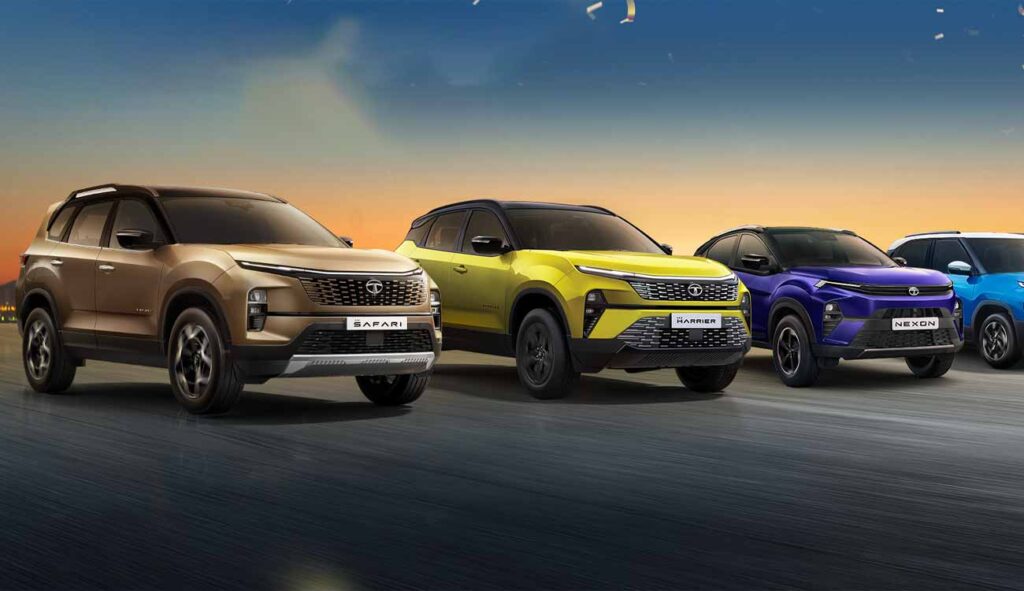
Sport Utility Vehicles (SUVs) combine the ruggedness of trucks with the comfort of passenger cars. Originally designed for off-road adventures, modern SUVs have evolved into versatile family vehicles that handle both city streets and rough terrain with equal confidence.
Key SUV Features That Matter
High Ground Clearance: Most SUVs offer 180-210mm of ground clearance, making them ideal for Indian roads with potholes, speed bumps, and uneven surfaces.
Robust Build Quality: SUVs feature body-on-frame or unibody construction designed to withstand challenging driving conditions.
Powerful Engine Options: From 1.5L turbocharged petrol to 2.0L diesel engines, SUVs deliver the power needed for highway cruising and hill station trips.
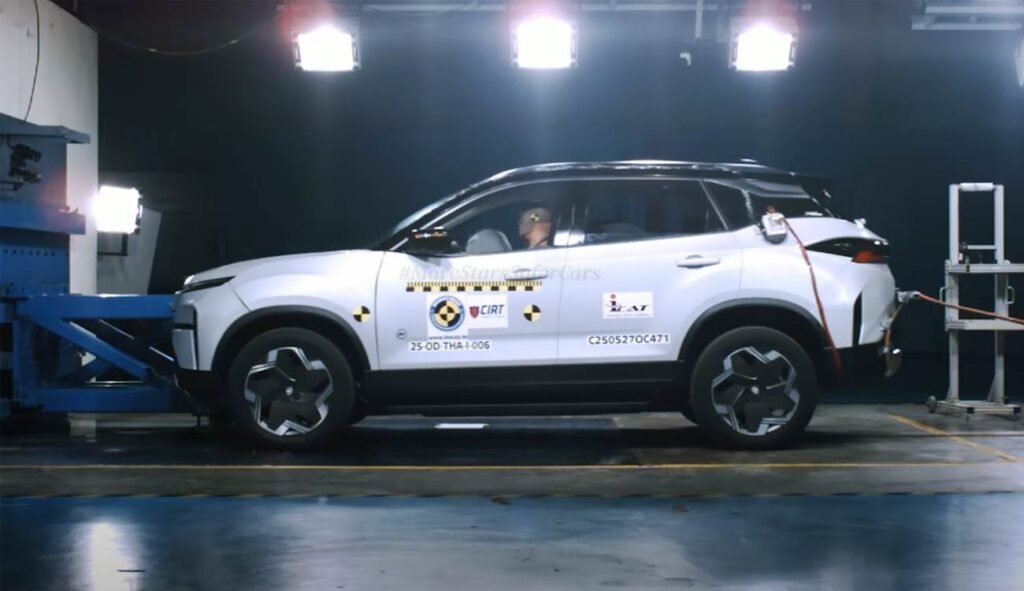
Advanced Safety Features: Modern SUVs come equipped with multiple airbags, ABS, ESP, and often achieve higher safety ratings.
Popular SUV Models in India
The Indian SUV market offers compelling options across price segments:
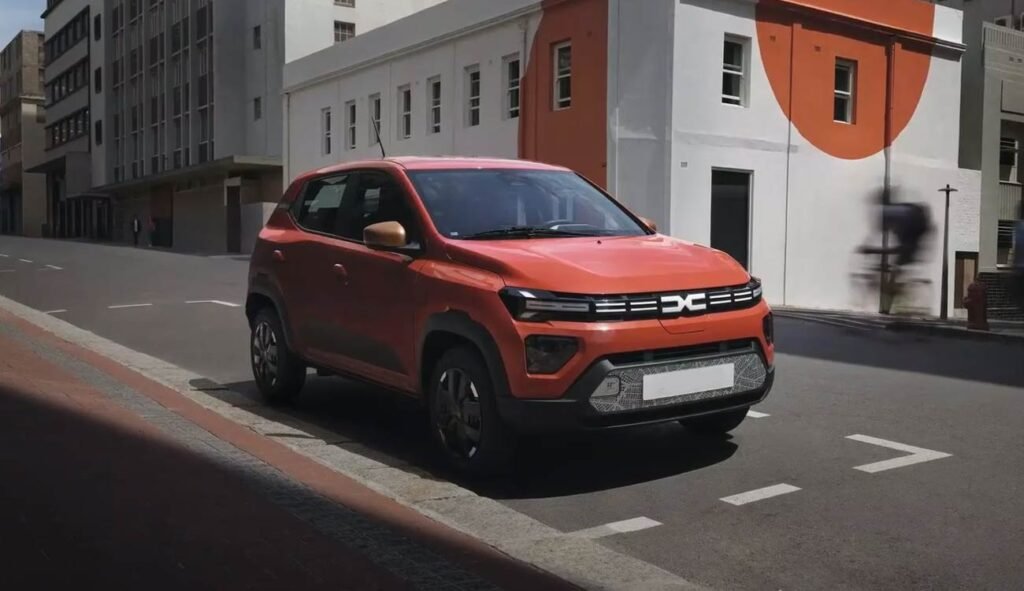
- Tata Nexon and Mahindra XUV300 dominate the compact SUV space
- Hyundai Creta and Kia Seltos lead the mid-size segment
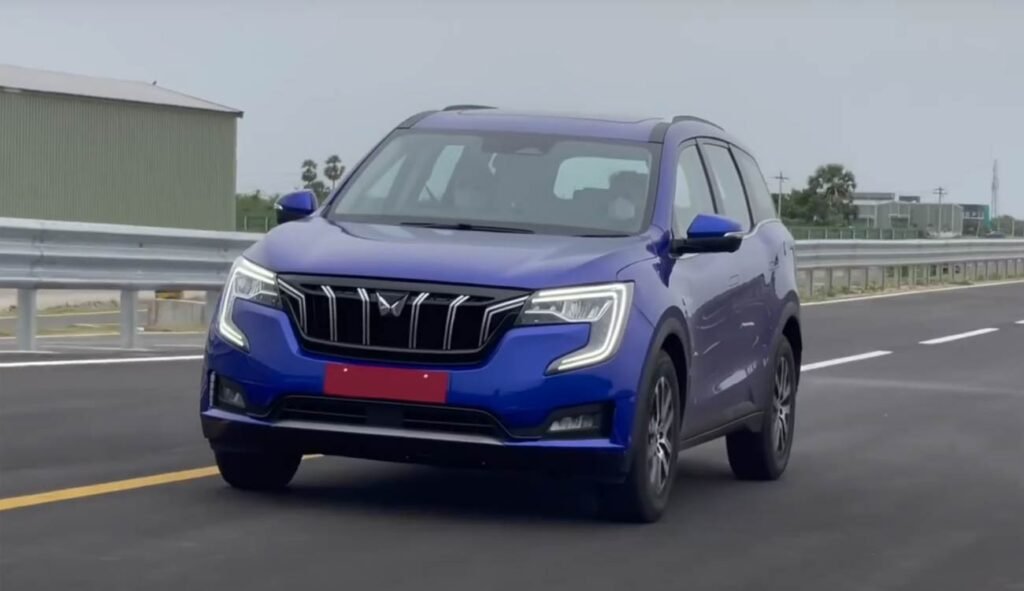
- Mahindra XUV700 and Tata Safari cater to larger families
- Toyota Fortuner and Mahindra Scorpio-N serve premium buyers
SUV Advantages for Indian Families
Superior Road Presence: The commanding driving position provides better visibility and confidence on crowded roads.
Versatile Cargo Space: Large boot capacity accommodates family luggage for extended trips.
Resale Value: SUVs typically retain value better than other vehicle categories.
Weather Resistance: Higher ground clearance helps navigate monsoon flooding and rough roads.
SUV Limitations to Consider
Fuel Consumption: SUVs generally consume more fuel due to their weight and aerodynamics.
Parking Challenges: Larger dimensions can make parking difficult in tight city spaces.
Higher Purchase Price: Initial cost is typically higher than equivalent MPVs.
Third-Row Compromises: Seven-seater SUVs often have cramped third-row seating.
Understanding MPVs and Their Family-Focused Design
What Defines an MPV
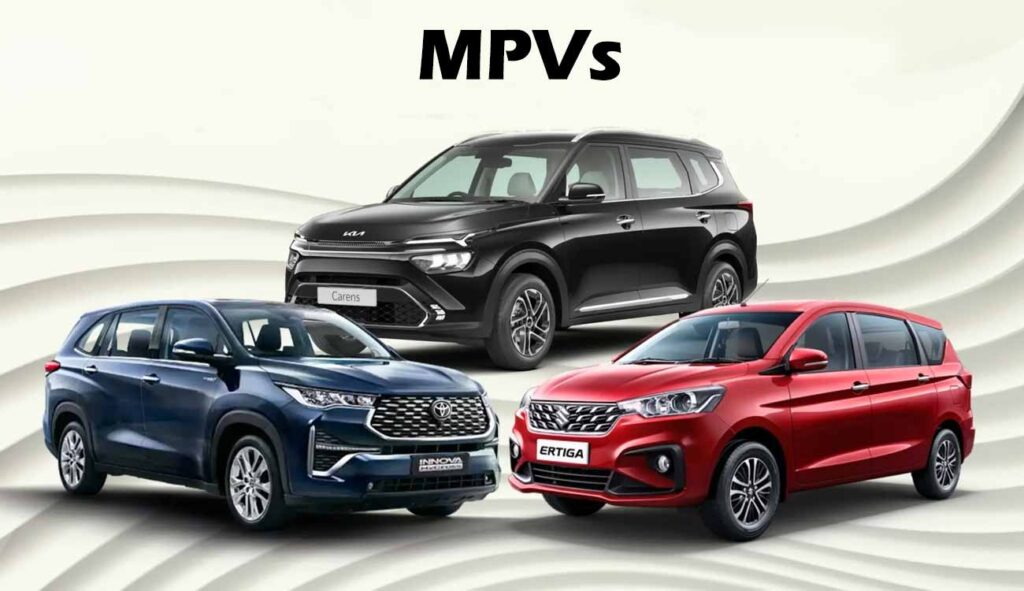
Multi-Purpose Vehicles (MPVs) prioritize interior space and passenger comfort above all else. Also known as people movers, these vehicles maximize cabin space through efficient packaging and tall, boxy designs.
Essential MPV Characteristics
Spacious Interiors: MPVs offer class-leading headroom and legroom across all rows.
Flexible Seating: Most MPVs feature removable or foldable seats for cargo versatility.
Easy Access: Sliding doors and low step-in height make entry and exit effortless.
Fuel Efficiency: Optimized aerodynamics and lighter weight contribute to better mileage.
Leading MPV Options in India
The Indian MPV segment includes several practical choices:
- Maruti Suzuki Ertiga offers affordability with decent features
- Toyota Innova Crysta provides premium comfort and reliability
- Mahindra Marazzo combines modern design with competitive pricing
- Kia Carens brings contemporary styling and features
MPV Benefits for Indian Families
Maximum Space Utilization: Every inch is designed for passenger comfort and cargo flexibility.
Comfortable Seating: All passengers, including third-row occupants, enjoy adequate space.
Lower Running Costs: Better fuel efficiency translates to reduced monthly expenses.
Family-Friendly Features: Multiple cup holders, storage compartments, and easy-clean interiors.
MPV Drawbacks to Keep in Mind
Limited Off-Road Capability: Lower ground clearance restricts adventure potential.
Less Commanding Presence: Lower seating position may feel less confident in traffic.
Styling Perception: Some buyers find MPV designs less appealing than SUV aesthetics.
Resale Concerns: MPVs may depreciate faster than popular SUVs.
Head-to-Head Comparison: SUV vs MPV
Space and Comfort Analysis
Seating Capacity: Both categories offer seven-seat configurations, but MPVs provide more usable space for third-row passengers. SUVs often compromise third-row comfort for cargo space.
Interior Comfort: MPVs excel in headroom and legroom across all rows. SUVs offer more premium materials and features but may feel cramped for taller passengers in the rear.
Cargo Flexibility: MPVs win with flat-folding seats and multiple storage solutions. SUVs provide larger boot space but less flexibility.
Performance and Handling Comparison
City Driving: MPVs offer easier maneuverability and parking. SUVs provide better visibility and road presence.
Highway Performance: SUVs deliver superior high-speed stability and overtaking confidence. MPVs focus on comfort rather than spirited driving.
Rough Road Capability: SUVs handle broken roads, steep inclines, and light off-roading better. MPVs struggle with very rough terrain due to lower ground clearance.
Fuel Efficiency Face-Off
MPVs typically deliver 15-20% better fuel economy than equivalent SUVs. This difference becomes significant with rising fuel prices and longer daily commutes.
Real-World Mileage Examples:
- Maruti Ertiga: 15-17 kmpl
- Hyundai Creta: 12-14 kmpl
- Toyota Innova Crysta: 11-13 kmpl
- Tata Safari: 10-12 kmpl
Safety Feature Comparison
Modern SUVs often receive higher safety ratings due to their robust construction and advanced safety features. However, premium MPVs also offer comprehensive safety packages.
Both categories now include essential safety features like multiple airbags, ABS, ESP, and rear parking sensors as standard or optional equipment.
Price and Maintenance Considerations
Initial Cost: SUVs typically cost 10-15% more than equivalent MPVs due to additional features and perceived premium positioning.
Maintenance Expenses: MPVs generally have lower service costs due to simpler mechanical systems and better fuel efficiency.
Insurance Costs: SUVs often attract higher insurance premiums due to their higher value and theft risk.
Key Factors for Making Your Decision
Assessing Your Family’s Needs
Family Size: Families with more than five members should prioritize MPVs for genuine three-row comfort. Smaller families might prefer SUV versatility.
Age of Family Members: Elderly passengers and small children benefit from MPV’s easy access and comfortable seating.
Usage Patterns: Daily school runs and city commuting favor MPVs. Weekend adventures and highway trips suit SUVs better.
Evaluating Driving Conditions
Urban vs Rural: City dwellers might prefer MPV maneuverability, while rural families need SUV ground clearance.
Terrain Challenges: Hilly regions, unpaved roads, and monsoon flooding favor SUVs. Smooth highways and city roads suit MPVs.
Parking Availability: Tight parking spaces make compact MPVs more practical than large SUVs.
Budget Planning
Total Cost of Ownership: Consider purchase price, fuel costs, insurance, and maintenance over five years.
Financing Options: SUVs often have better financing deals and exchange offers.
Resale Value: SUVs typically retain value better, offsetting higher initial costs.
Lifestyle Alignment
Image Preferences: SUVs project a more aspirational image, while MPVs emphasize practicality.
Adventure Needs: Families who enjoy off-road trips and outdoor activities benefit from SUV capabilities.
Comfort Priorities: Long-distance travelers prioritize MPV comfort over SUV style.
Making the Right Choice for Your Family
The SUV vs MPV decision ultimately depends on your family’s specific priorities and circumstances. Neither category is universally superior – each excels in different areas.
Choose an SUV if:
- You prioritize style and road presence
- Off-road capability matters for your lifestyle
- You frequently drive on rough or challenging roads
- Resale value is a key concern
- You prefer a more engaging driving experience
Choose an MPV if:
- Maximum passenger comfort is your priority
- You have a large family with regular seven-seat usage
- Fuel efficiency significantly impacts your budget
- Easy entry and exit matter for elderly or young passengers
- You primarily drive in urban conditions
Both vehicle types continue evolving with new technologies, safety features, and design improvements. The best choice is the one that aligns with your family’s daily needs, budget constraints, and long-term plans.
Consider test driving multiple models in both categories before making your final decision. This hands-on experience will reveal which type truly feels right for your family’s unique requirements.