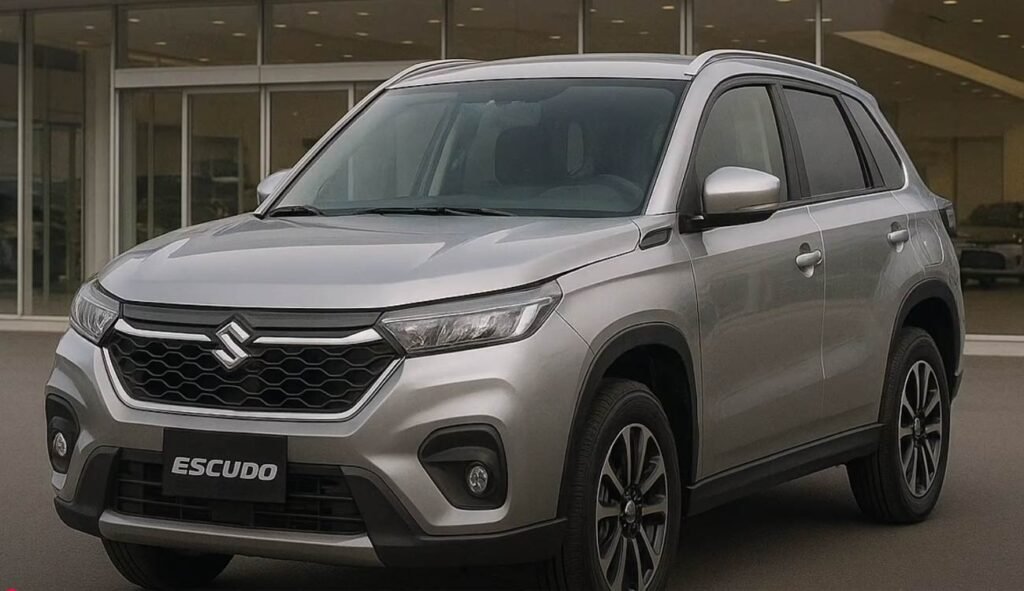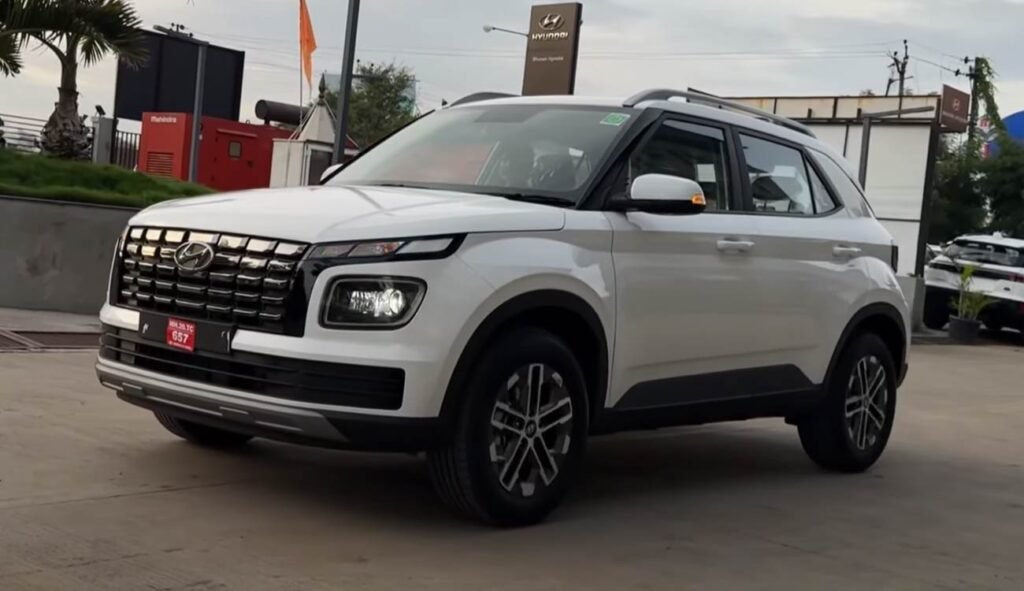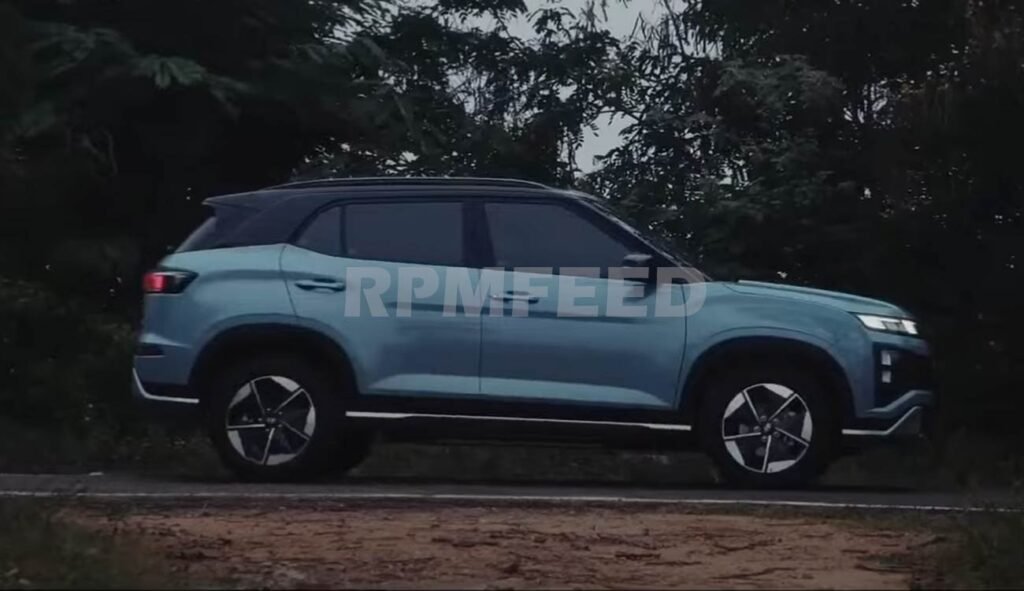
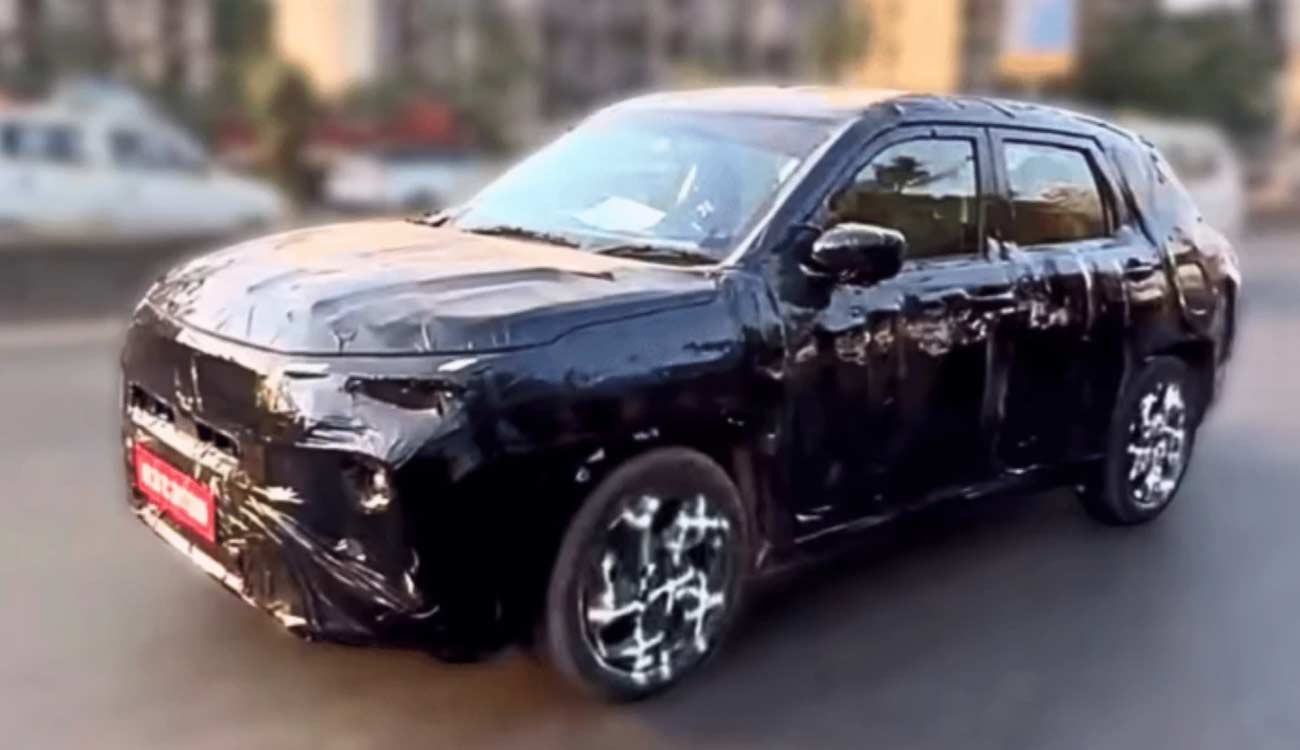
The compact SUV segment has witnessed an intense battle for supremacy, with the Hyundai Creta maintaining its position as India’s favorite SUV. However, this dominance faces a serious challenge as Maruti Suzuki prepares to launch its latest contender, the Victoris, on September 3, 2025.
A Strategic Launch to Challenge Market Leaders
Maruti’s decision to introduce the Victoris represents a calculated move to capture market share in the highly competitive compact SUV space. While the Grand Vitara has performed well under the Nexa brand, the Victoris will be positioned differently, targeting Arena dealership customers who seek premium features at competitive prices.
The manufacturer has maintained secrecy around most specifications, offering only glimpses of what’s to come. Recent teasers reveal sophisticated LED taillight design, suggesting that Maruti is focusing heavily on contemporary styling to appeal to modern buyers.
Advanced Features That Could Change the Game
Industry sources indicate that the Victoris might surpass its Nexa counterpart in several key areas. The most significant innovation could be the integration of an underbody CNG system, which would preserve valuable cargo space while offering fuel efficiency benefits.
This engineering approach addresses a common complaint among CNG vehicle owners who typically sacrifice boot space for the alternative fuel tank. By relocating the CNG kit beneath the vehicle, Maruti could deliver both environmental benefits and practical utility.

Technology and Safety Take Center Stage
The anticipated inclusion of Advanced Driver Assistance Systems (ADAS) represents a major leap forward for Maruti’s Arena lineup. This technology package, combined with features like a comprehensive 360-degree camera system and heads-up display, positions the Victoris as a tech-forward option in its segment.
The infotainment setup is expected to feature a substantial 9-inch touchscreen paired with a 7-inch digital instrument cluster, creating a modern cabin experience. The panoramic sunroof addition would further enhance the premium feel that buyers increasingly expect in this price range.
Powertrain Options Designed for Versatility
Maruti appears committed to offering multiple powertrain choices to cater to diverse customer preferences. The lineup will likely include a naturally aspirated 1.5-liter petrol engine producing 102bhp and 137Nm of torque, suitable for city driving and highway cruising.
For buyers seeking better fuel efficiency, the hybrid-assisted 1.5-liter variant delivers 116bhp and 122Nm while promising improved mileage figures. The CNG option, generating 87bhp and 121.5Nm, targets cost-conscious buyers prioritizing running costs over outright performance.
The inclusion of all-wheel-drive capability could set the Victoris apart from many competitors, appealing to buyers who occasionally venture off paved roads or live in challenging terrain.
Pricing Strategy Could Disrupt the Segment
Perhaps the most intriguing aspect of the Victoris launch is its expected pricing strategy. Despite offering potentially more features than the Grand Vitara, the new SUV is anticipated to carry a lower price tag, with estimates ranging from ₹13 lakh to ₹20 lakh on-road in Mumbai.
This aggressive pricing approach could force competitors to reassess their own strategies, particularly if Maruti successfully delivers premium features at accessible prices. The company’s extensive service network and reputation for reliability could further strengthen the Victoris’s market position.
Market Impact and Future Implications
The Victoris launch represents more than just another SUV introduction; it signals Maruti’s intention to dominate multiple segments simultaneously. By offering similar capabilities across different brand channels, the company can capture customers with varying dealership preferences while maintaining competitive pressure on rivals.
The success of this strategy will largely depend on execution quality, feature delivery, and market reception. If Maruti successfully delivers on its promises, the Victoris could reshape buyer expectations and force the entire segment toward higher feature content at competitive prices.
The automotive landscape continues evolving rapidly, with buyers demanding more technology, safety, and efficiency than ever before. The Victoris appears positioned to meet these expectations while challenging the established order in one of India’s most important vehicle segments.