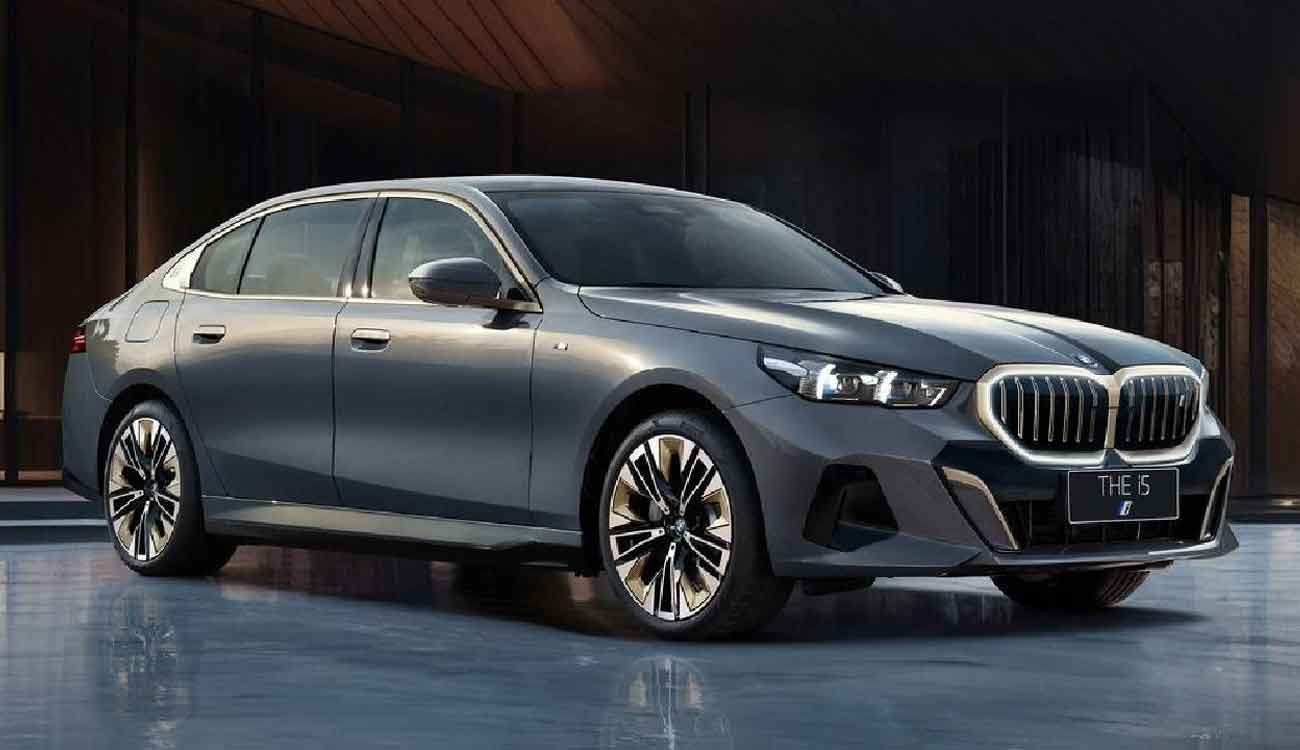
BMW is gearing up for a significant move in the Indian luxury car market with the planned launch of the all-electric i5 Long Wheelbase (LWB) sedan. According to industry insights, the vehicle is expected to hit Indian showrooms in early 2026, marking a pivotal moment as BMW’s first locally assembled all-electric sedan.
This strategic decision is about more than just adding another EV to the lineup. The i5 LWB is poised to fill a critical gap in BMW’s portfolio left by the discontinuation of diesel-powered 5 Series models. Currently, with only petrol variants on offer, BMW has found it challenging to compete with the enduring popularity of the diesel-powered Mercedes-Benz E-Class. The electric i5 is BMW’s sophisticated counterpunch.
Engineered for Indian Roads

Unlike a simple import, BMW is meticulously adapting the i5 LWB for unique Indian conditions. The most significant change involves a dedicated re-engineering of the chassis to increase ground clearance. This decision came directly from early real-world testing in India, where the standard model’s low-slung profile and soft suspension were noted as a potential issue for our ubiquitous speed breakers. This focus on local adaptation, while delaying the launch by nearly a year, demonstrates BMW’s commitment to delivering a product suited for its environment.
Performance and Positioning
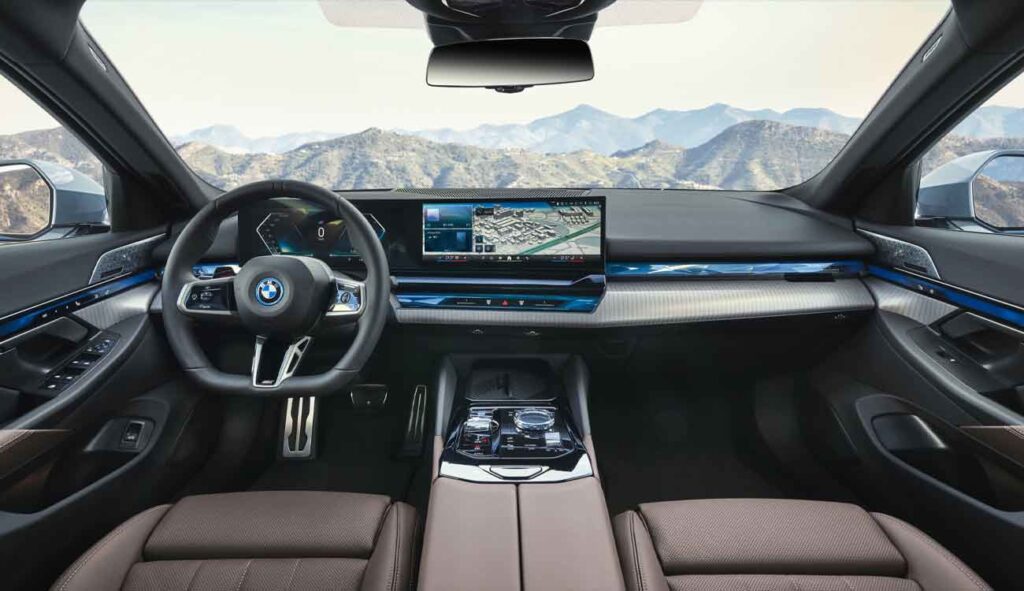
The Indian model will likely be the eDrive40L variant, which features a rear-mounted electric motor producing a healthy 340hp and 430Nm of torque. Power comes from a substantial 97kWh battery pack. In China, this model is rated for an impressive 713km on the CLTC cycle, though BMW anticipates a more modest, yet respectable, range under the mixed driving conditions of India.
The philosophy here isn’t raw, tire-shredding performance. Instead, BMW is targeting a refined balance of adequate power, smooth acceleration, and overall efficiency. The long-wheelbase architecture, borrowed from the China-spec model, prioritizes limousine-like rear-seat comfort, leading BMW to internally brand it as a “baby i7″—a nod to the success of its larger flagship, which already accounts for half of all 7 Series sales in India.
A Competitive Price Proposition
A key advantage for the i5 will be its pricing. As an electric vehicle, it benefits from a significantly lower GST rate of just 5%, compared to the 50%+ levied on petrol and diesel luxury cars. This fiscal benefit, combined with local assembly at BMW’s Chennai plant, will allow the company to position the i5 aggressively. The ex-showroom price is expected to be strategically placed between ₹90 lakh and ₹1 crore, making it a compelling proposition against its German rival.
The road to success, however, isn’t without its challenges. The ultimate adoption of premium EVs like the i5 remains intertwined with the expansion of India’s public charging infrastructure. For now, BMW’s strategy is clear: leverage electric mobility to reclaim lost ground, directly challenge the Mercedes E-Class, and offer a new generation of buyers a blend of silent, electric refinement and quintessential BMW luxury.