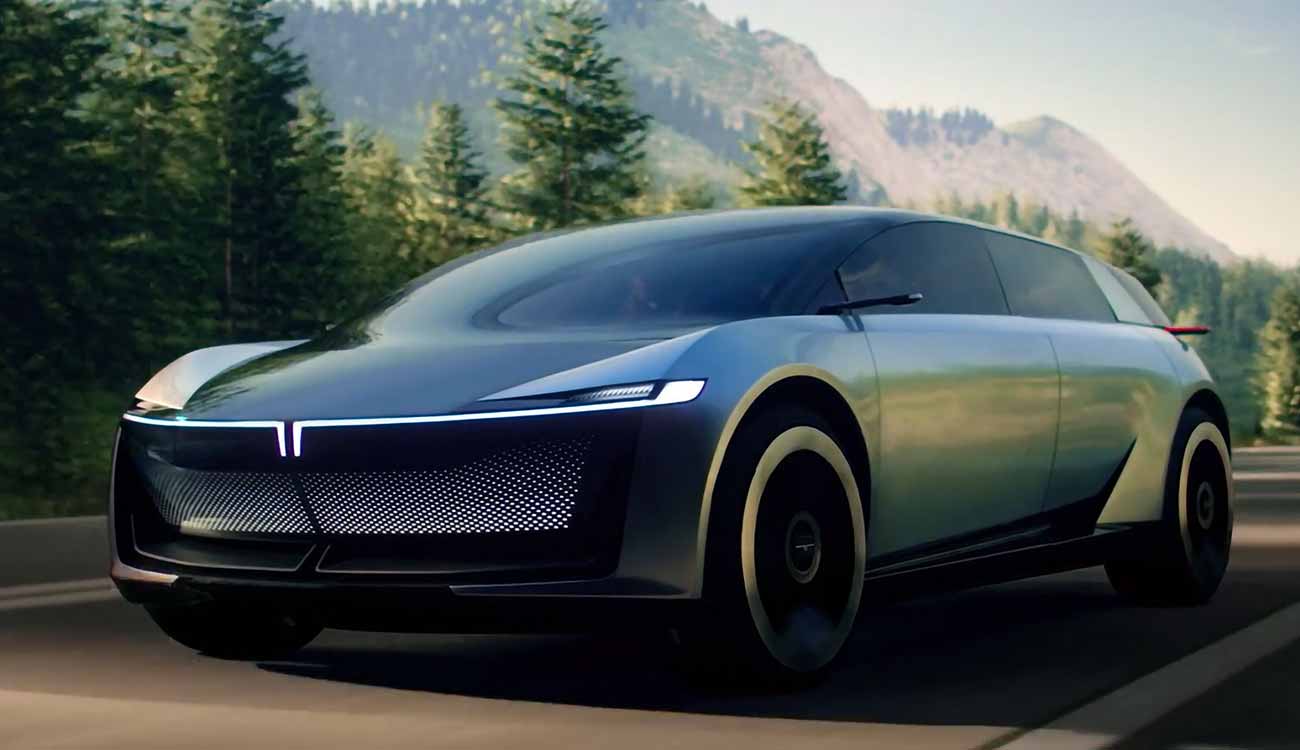
Tata Motors has shifted its electric vehicle strategy into a higher gear, unveiling ambitious plans that will see its first true premium EVs hit the road by late 2026. At the heart of this new chapter is the Avinya range—a “born-electric” family designed to sit at the apex of the brand’s portfolio and compete with global luxury offerings.
This announcement comes on the heels of a significant milestone: Tata has sold over 250,000 electric vehicles in India, with the Nexon EV alone crossing 100,000 units. Building on that mass-market success, the company is now looking upward.
A New Platform for a Premium Proposition
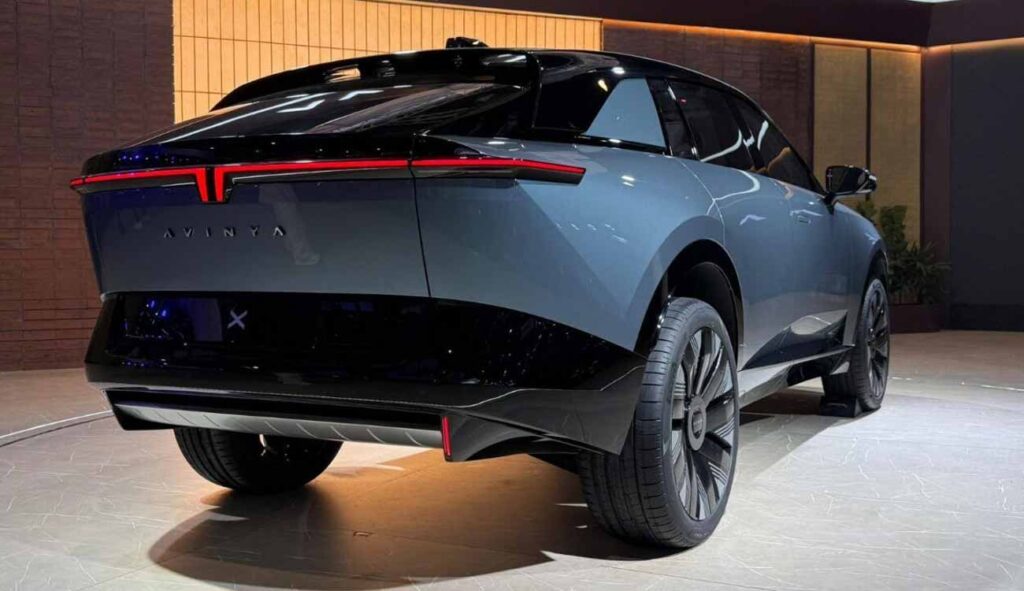
The first Avinya model, expected by the end of 2026, will mark a major technological leap. It will be the first Tata vehicle built on a localized version of Jaguar Land Rover’s Electrified Modular Architecture (EMA), secured through a strategic licensing agreement. This move is critical. By adapting a proven, premium global platform for Indian manufacturing, Tata aims to deliver world-class refinement, space, and efficiency while managing costs.
This platform strategy provides the foundation for a full family of vehicles. Internally, up to five Avinya derivatives—codenamed P1 through P5—are under evaluation. These are expected to span various body styles, potentially including a midsize SUV around 4.4 meters in length and a spacious three-row luxury utility vehicle measuring close to 4.9 meters. The intent is clear: to create a comprehensive lineup that caters to the growing appetite for premium, zero-emission mobility in India.
A Phased Rollout and a Broader Vision
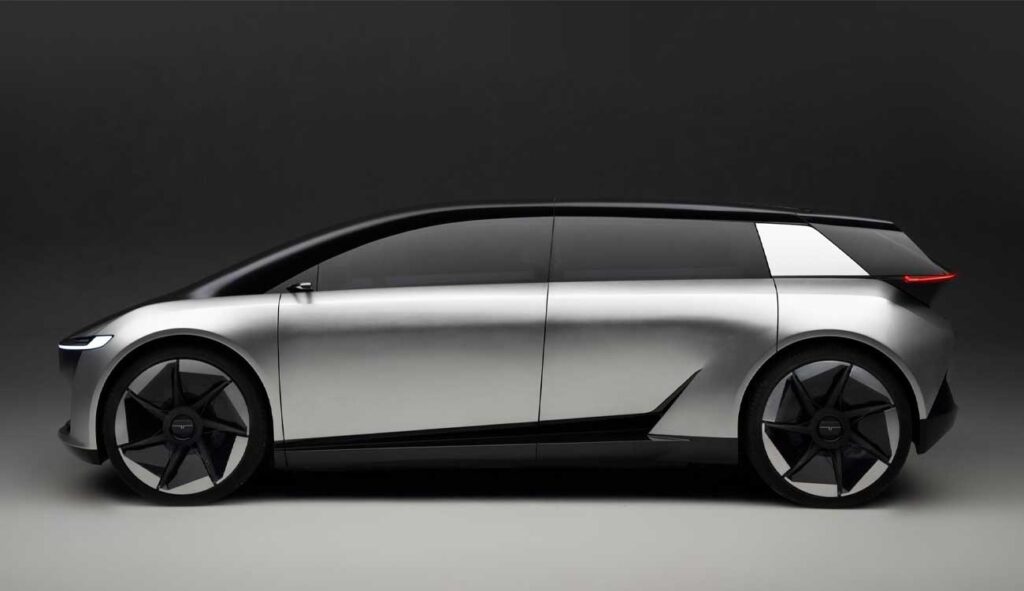
The Avinya launch is part of a meticulously phased plan. In the immediate term, Tata will introduce the Sierra EV and a facelifted Punch EV in 2025. The Avinya range will then debut as the technological flagship in late 2026.
Looking ahead to 2030, Tata envisions an electric portfolio with at least five all-new nameplates, supported by continuous updates to existing models. To achieve this, the company is reportedly backing its strategy with a substantial investment program, potentially exceeding $1 billion. The initial Avinya model (P1) will be produced in Sanand, Gujarat, with future models possibly originating from a proposed plant in Tamil Nadu.
For the Indian consumer, this signals a pivotal moment. The Avinya range promises to translate the software-defined, spacious, and experience-oriented design of modern global EVs into a uniquely Tata package. With targeted annual volumes approaching 100,000 units for the Avinya family by 2030, Tata Motors isn’t just launching new cars—it’s systematically building an electric future for the premium segment.