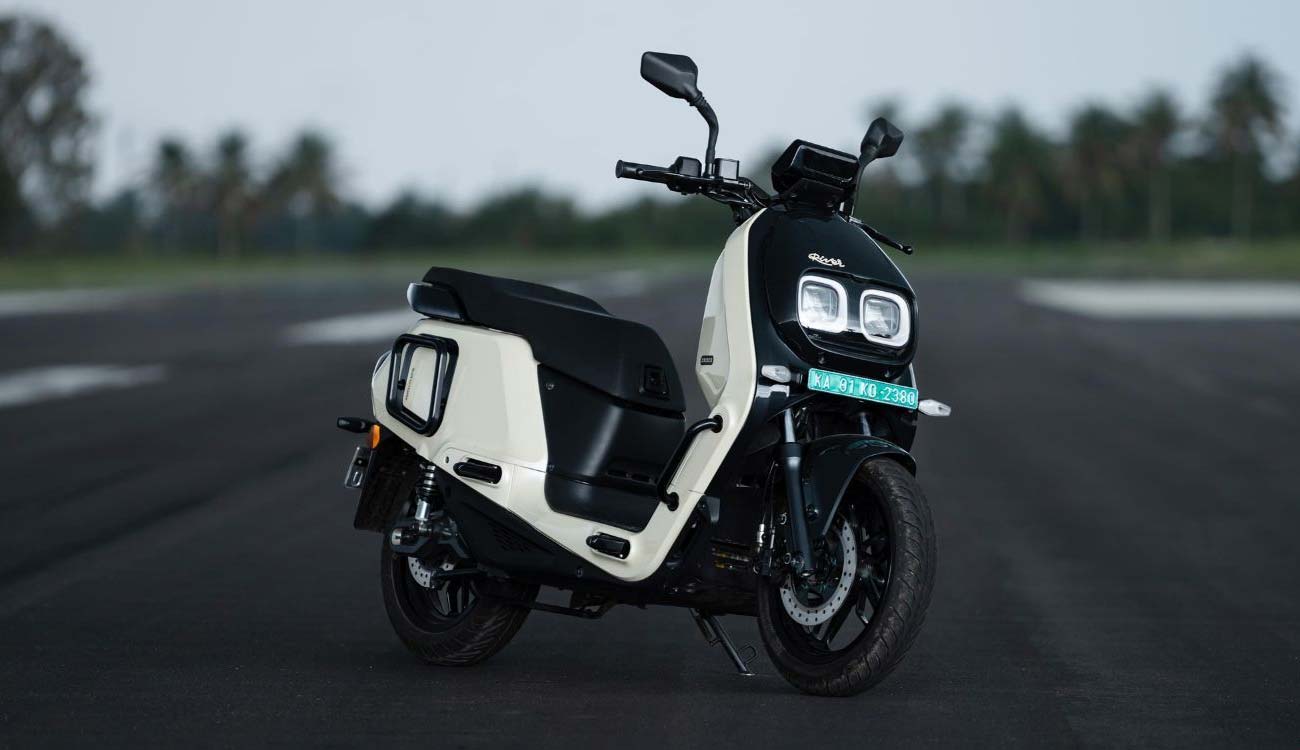
The electric scooter market is buzzing with options, but the River Indie stands out for reasons that go beyond simple specs. Hailing from a Bengaluru-based startup, this scooter makes a distinct impression. But is it the right fit for your daily commute? Let’s explore what truly works in its favor—and a couple of practical considerations that might give you pause.
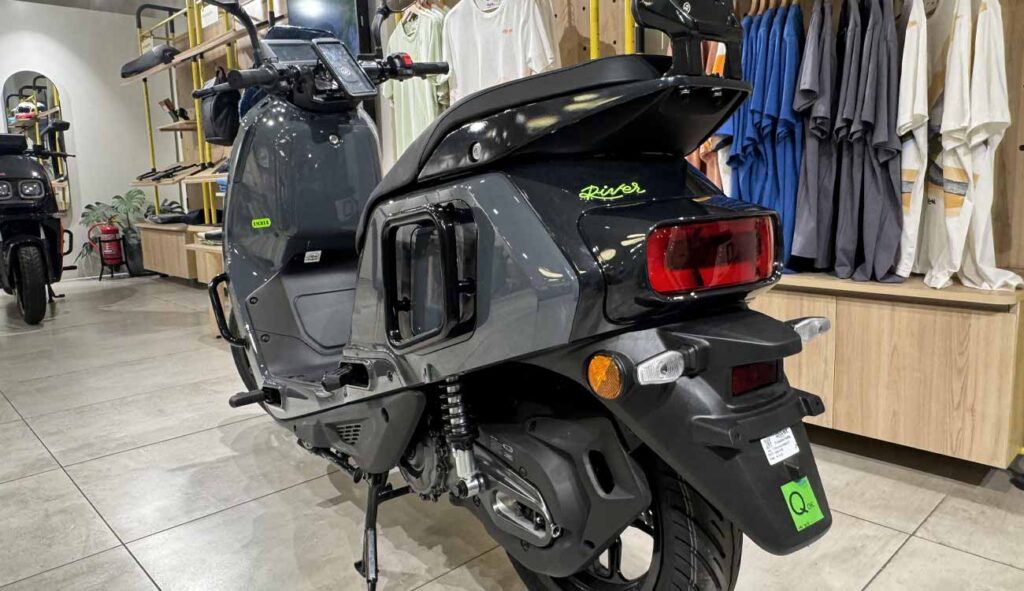
One of the Indie’s most compelling advantages is its incredible practicality. Storage is often an afterthought on two-wheelers, but River designed this scooter with utility front and center. You get a deep, underseat compartment that swallows 43 liters of cargo, complemented by another 12 liters in the front apron. That’s more than enough for groceries, a helmet, or a weekend bag. If you ever need more, built-in mounts for panniers and a top box come standard—they even act as crash guards. It’s clear this scooter was built for real-life use, not just short trips.
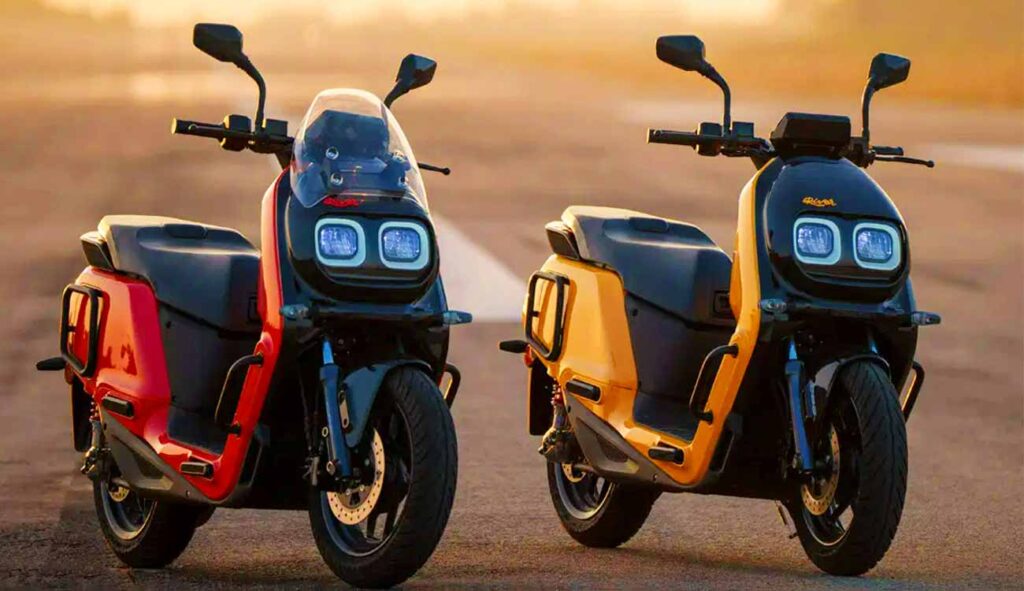
Then there’s its appearance. The Indie doesn’t blend in. With a bold, boxy front apron and clean, squared-off lines, it trades flowing curves for a robust, confident posture. The larger 14-inch wheels contribute to a planted, substantial look on the road, while the unique twin DRLs give it a modern, recognizable face. It’s the kind of design that sparks conversations and stands apart in a sea of lookalike scooters.
Performance is where the Indie quietly shines. The electric motor delivers smooth, responsive power without the high-pitched whine common to many EVs. It stays remarkably hushed even when pushed, emitting only a subtle mechanical drone. More impressively, it maintains consistent performance without noticeable heat buildup, whether you’re accelerating from a stop or holding higher speeds over distance.
However, your decision may come down to two practical realities. First is charging time. Even with the optional 750W fast charger, replenishing the 4.1kWh battery takes upwards of six hours. For riders with longer daily routes or no option for overnight charging, this requires planning.
Second is the lack of convenience-focused access. There’s no remote or button-release for storage compartments—everything is opened with the physical key. To charge, you unlock the seat, then the front apron, then access the charging port. It’s a process that feels dated at this price point and can become tedious over time. There’s also a real risk of scratching the apron paint when juggling the key and charger cable.
So, who is the River Indie for? If you value standout design, exceptional storage, and refined, quiet performance—and you can plan around its charging time—it’s a compelling and characterful EV. But if your routine demands quick top-ups or you prioritize keyless convenience, it’s worth weighing these practical points against its many strengths.