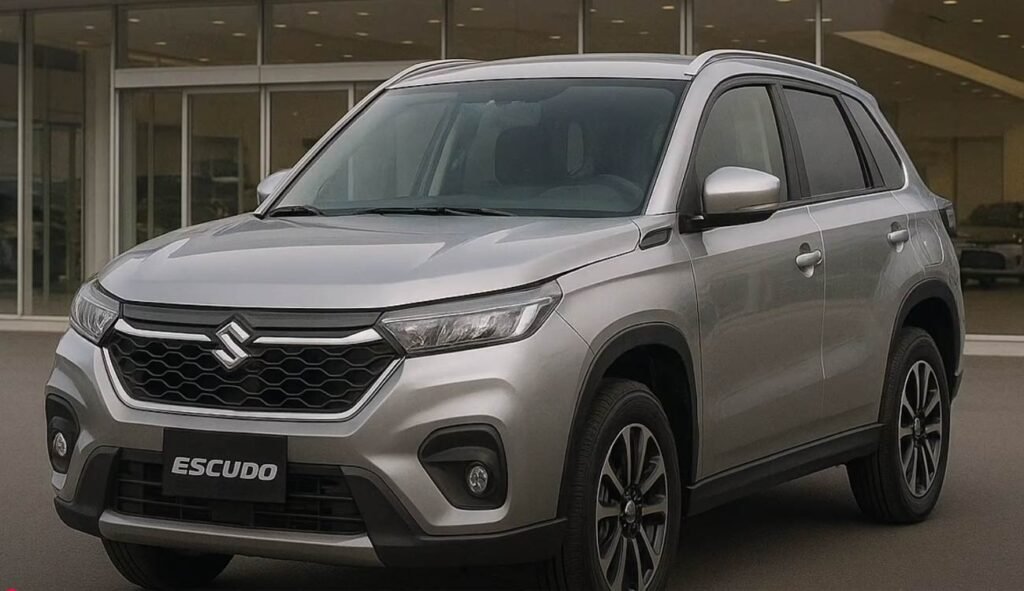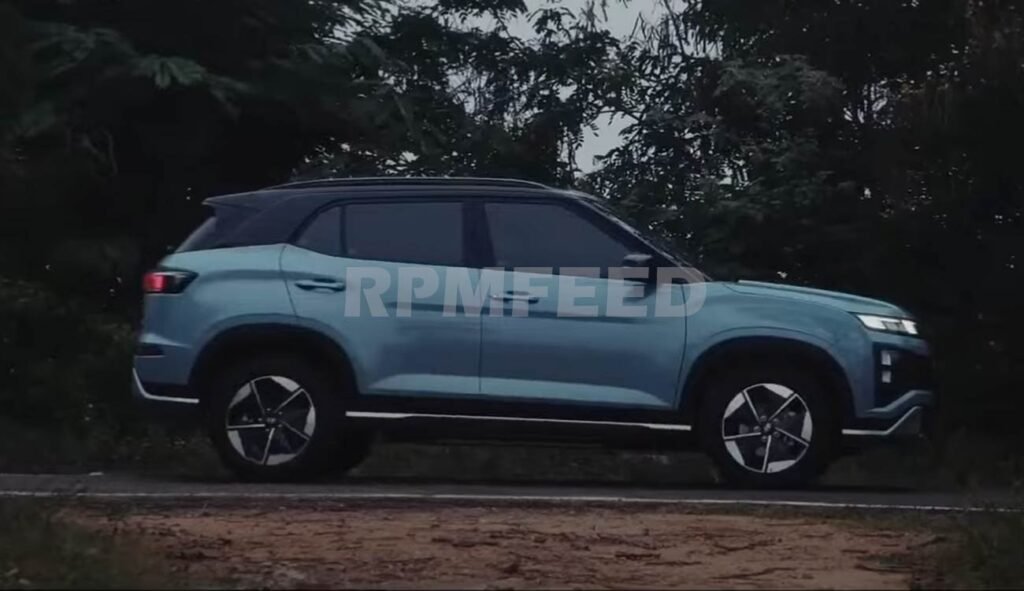

Maruti Suzuki has unveiled an ambitious global strategy with its latest offering, the Victoris SUV, positioning India as the central manufacturing hub for international markets. This move represents a significant shift in how Japanese automaker Suzuki approaches global vehicle production and distribution.
The recently launched Victoris marks Maruti’s strategic expansion in the competitive midsize SUV category. Unlike its premium counterpart, the Grand Vitara, which sells through exclusive Nexa showrooms, the Victoris will reach customers through the extensive Arena dealer network. This distribution strategy provides a massive advantage, as Arena outlets outnumber Nexa dealerships by a ratio of 6:1 throughout India.
Ambitious Export Strategy Takes Shape
Maruti’s export vision for the Victoris extends far beyond domestic sales. The company plans to ship this SUV to more than 100 international markets, significantly surpassing the Grand Vitara’s current presence in approximately 60 countries. This expansion aligns with the broader strategy already implemented for the upcoming e-Vitara electric vehicle, which has begun its export journey from Indian facilities.
Hisashi Takeuchi, Managing Director and CEO of Maruti Suzuki, explained the economic rationale behind this approach during discussions with industry publications. “Suzuki Japan is shifting more and more of its export market from Japan to India. From India, we can export at a very competitive price and a robust, good durability product,” he stated, highlighting India’s manufacturing advantages.
The cost benefits of Indian production become particularly compelling when combined with the country’s established automotive manufacturing infrastructure and skilled workforce. These factors enable Maruti to offer competitive pricing while maintaining the quality standards expected in global markets.
Global Development Philosophy
Modern automotive development at Maruti has evolved from the traditional approach of creating vehicles for single markets. The company now integrates feedback from multiple international markets during the early development phases, ensuring products meet diverse global requirements from the outset.
Sandeep Raina, Executive Officer for Product Planning at Maruti Suzuki, emphasized this collaborative approach: “Exports are becoming a very important portfolio for us. And when we are developing products, we are taking inputs from our counterparts in the export markets and integrating and balancing things which can be a sweet spot for both markets.”
This methodology ensures that vehicles like the Victoris can succeed across different regulatory environments, consumer preferences, and market conditions without requiring extensive modifications for each region.
Market Competition and Pricing Strategy
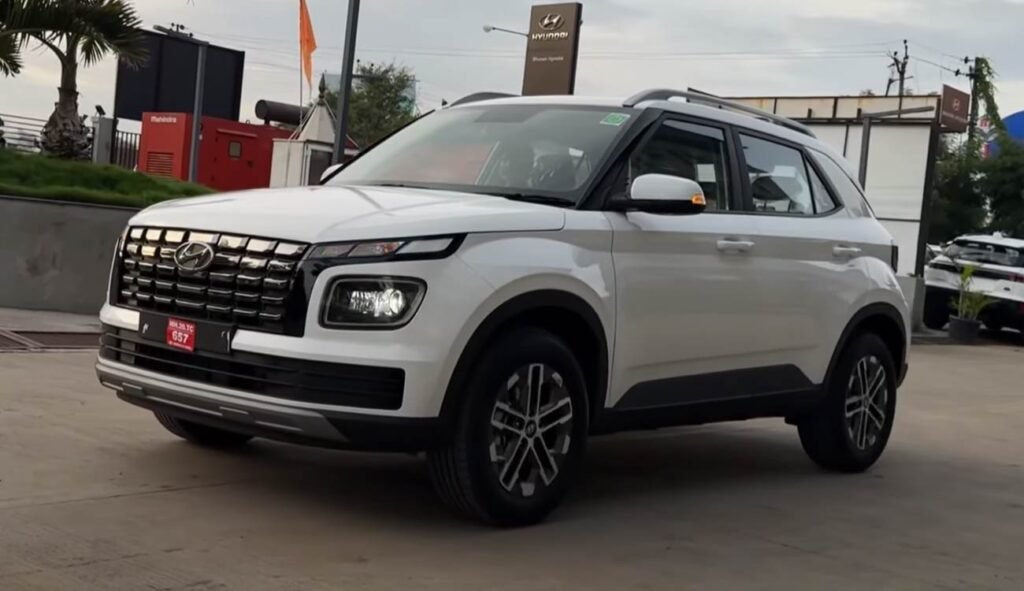
The automotive industry eagerly awaits the Victoris pricing announcement, which has been delayed pending the government’s revised GST rates for passenger vehicles. Once these details are finalized, Maruti expects to launch a comprehensive challenge to the segment leader, Hyundai Creta, using the combined strength of both the Victoris and Grand Vitara models.
| Specification | Details |
|---|---|
| Vehicle Category | Midsize SUV |
| Distribution Network | Arena dealerships (6:1 ratio vs Nexa) |
| Export Markets | 100+ countries (vs Grand Vitara’s 60) |
| Production Hub | India (global manufacturing center) |
| Market Position | Competitor to Hyundai Creta |
| Platform Sibling | Grand Vitara |
The success of this strategy could reshape India’s position in the global automotive supply chain, demonstrating the country’s capability to serve as a comprehensive manufacturing hub for international brands. With competitive production costs, established infrastructure, and growing expertise in both conventional and electric vehicle technologies, India appears well-positioned to capture an increasing share of global automotive exports.
The Victoris launch represents more than just another SUV introduction; it signals a fundamental transformation in how global automakers view India’s role in their worldwide operations.