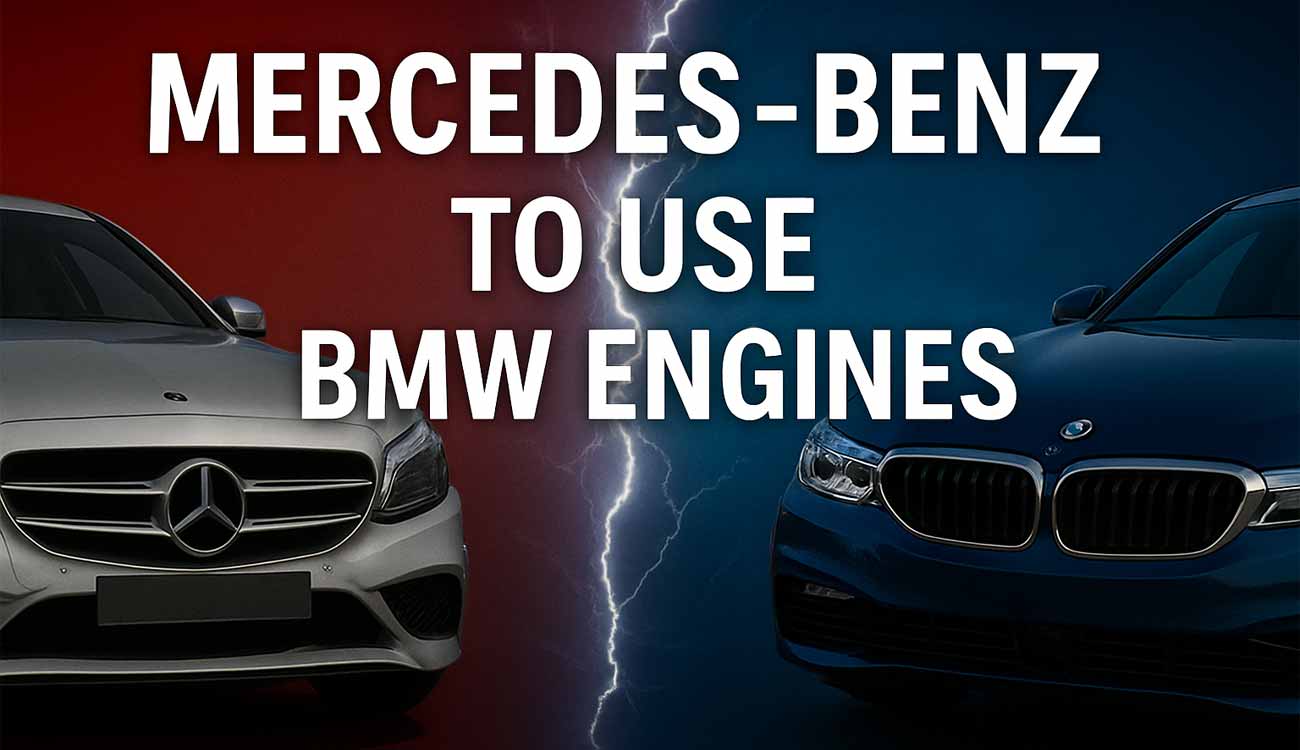
The automotive world is witnessing an unprecedented development as Mercedes-Benz and BMW move closer to finalizing a deal that would have been unthinkable just years ago. According to exclusive reports from Autocar UK, these longtime German rivals are in advanced negotiations for Mercedes to utilize BMW’s four-cylinder petrol engine across multiple vehicle platforms.
This potential agreement represents more than just a business transaction—it signals a fundamental shift in how premium automakers approach engine development in an era of changing consumer preferences and regulatory pressures.
The Engine at the Heart of the Deal
BMW’s B48 2.0-liter four-cylinder engine stands at the center of these discussions. This powerplant currently serves duty across BMW and Mini’s model lineup, offering impressive versatility through both longitudinal and transverse configurations. The engine’s adaptability makes it particularly attractive for Mercedes, which could deploy it across compact and mid-size vehicles ranging from the CLA and GLA to the C-Class and E-Class.
What makes this engine especially valuable is its compatibility with plug-in hybrid and range-extender technologies—capabilities that Mercedes desperately needs as it expands its electrified offerings without massive development investments.
Why Mercedes Needs This Partnership
The driving force behind this unusual collaboration stems from Mercedes’ current engine limitations. While the company produces the M252 1.5-liter unit through its Horse joint venture with Geely and Renault in China, this engine falls short of Mercedes’ hybrid ambitions.
The M252, available in 138hp, 165hp, and 193hp configurations with an integrated 27hp electric motor, works adequately for mild-hybrid applications. However, industry insiders reveal it lacks the engineering sophistication required for more advanced plug-in hybrid or range-extender systems.
Mercedes faces additional pressure from Euro-7 emissions regulations, which demand cleaner, more efficient internal combustion engines. The BMW partnership would provide immediate access to a Euro-7 compliant powerplant, allowing Mercedes to maintain its internal combustion engine offerings while meeting strict environmental standards.
The Broader Industry Context
This potential partnership emerges against a backdrop of slower-than-anticipated electric vehicle adoption rates. While automakers initially rushed toward all-electric futures, consumer hesitation and infrastructure challenges have forced many manufacturers to reconsider their internal combustion engine strategies.
Mercedes, like many premium brands, now recognizes the need for robust hybrid offerings as a bridge technology. The company’s decision to potentially source engines from BMW reflects this strategic pivot and demonstrates the pragmatic approach required in today’s rapidly evolving automotive landscape.
Global Production Implications
The partnership’s scope could extend far beyond simple engine supply agreements. Industry sources suggest the collaboration might include shared production facilities, particularly in the United States, where both companies seek to avoid rising import tariffs on European-made components.
This global production strategy would benefit both manufacturers by reducing costs and improving supply chain resilience. Additionally, there’s potential for expanding the partnership to include transmission sharing, creating even deeper technical cooperation between the traditionally competitive brands.
Technical Advantages and Flexibility
BMW’s B48 engine offers Mercedes significant technical advantages over its current powertrain options. The engine’s dual-layout capability provides unprecedented flexibility across Mercedes’ model range, from front-wheel-drive compact cars to rear-wheel-drive luxury sedans.
This versatility becomes crucial as Mercedes streamlines its engine portfolio while maintaining diverse vehicle offerings. Rather than developing multiple powertrains for different applications, the company could standardize around BMW’s proven technology while focusing resources on electric vehicle development.
Timeline and Official Confirmation
According to Mercedes sources speaking to Autocar UK, both companies have reached advanced planning and negotiation stages. An official announcement is expected before year-end, though BMW has yet to provide public comment on the discussions.
The timeline suggests both automakers recognize the urgency of addressing current market demands while preparing for future regulatory requirements. This accelerated schedule reflects the strategic importance both companies place on maintaining competitive hybrid offerings.
Industry Precedent and Future Implications
While automotive partnerships aren’t uncommon, this potential agreement breaks new ground by bringing together two brands that have competed directly for over a century. The partnership could establish a template for future industry collaboration, particularly as development costs continue rising and regulatory pressures intensify.
The success of this arrangement might encourage other premium manufacturers to pursue similar partnerships, potentially reshaping how the industry approaches powertrain development and production sharing.
Strategic Benefits Beyond Cost Savings
Beyond immediate cost reductions, this partnership offers both companies strategic advantages in navigating an uncertain automotive future. For Mercedes, accessing proven hybrid technology accelerates its product development timeline while reducing technical risks.
BMW benefits by maximizing the return on its engine development investments while potentially gaining insights into Mercedes’ vehicle architecture and manufacturing processes. This mutual benefit structure increases the likelihood of long-term partnership success.
The automotive industry continues evolving at an unprecedented pace, and traditional rivalries are giving way to pragmatic partnerships. The potential Mercedes-BMW engine agreement represents this new reality, where collaboration trumps competition in addressing shared challenges.
As consumers demand cleaner, more efficient vehicles while regulatory frameworks become increasingly stringent, automakers must balance development costs with technological advancement. This groundbreaking partnership between German automotive giants demonstrates how industry leaders are adapting to these pressures while maintaining their commitment to engineering excellence and market competitiveness.