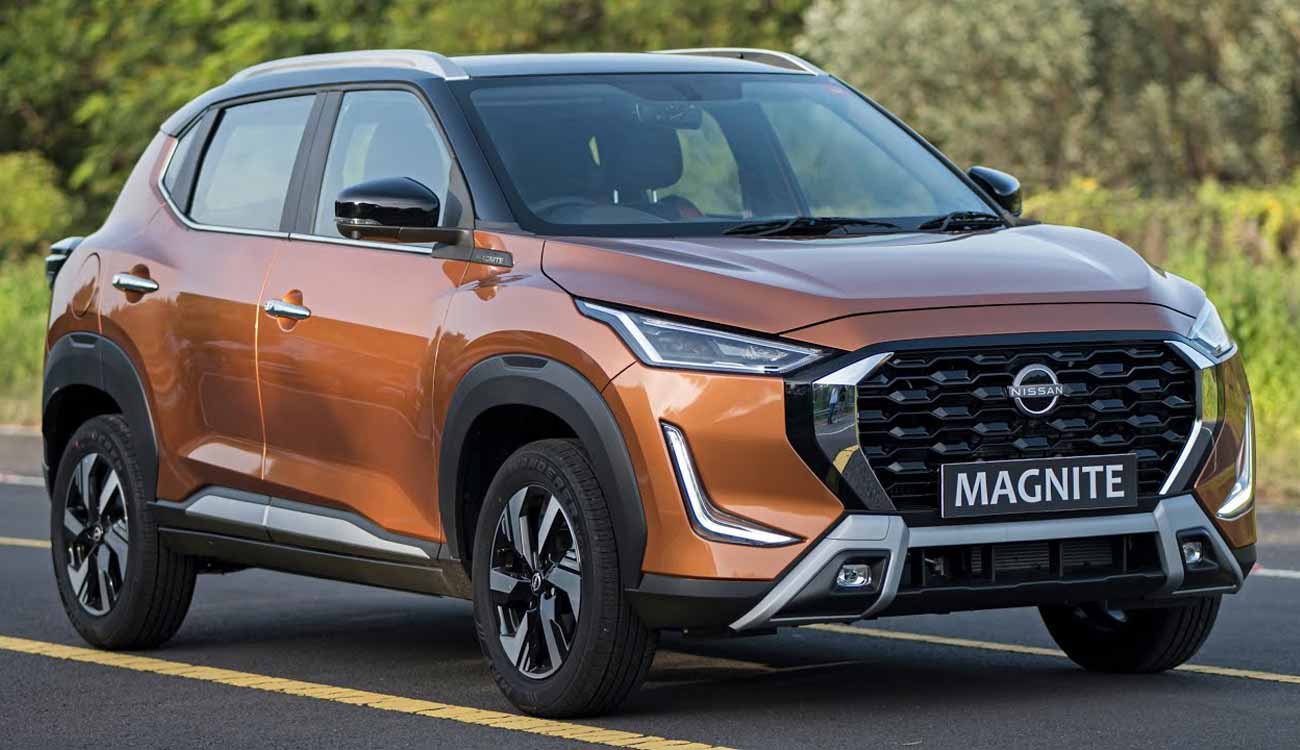
Nissan has announced a forthcoming price adjustment for its vehicles in India, with increases set to take effect on January 1, 2026. This move will directly impact the brand’s current sole offering, the popular Magnite compact SUV, which could see its ex-showroom price rise by as much as 3 percent.
For prospective buyers, this translates to a potential increase ranging between Rs 17,000 and Rs 32,000 across the Magnite’s variants. Following the adjustment, the SUV’s price band is expected to shift from the current Rs 5.62 lakh – Rs 10.76 lakh to approximately Rs 5.79 lakh – Rs 11.08 lakh. This planned hike is notable, especially considering the significant price reduction the Magnite received earlier this year following a revision in GST, which had lowered prices by Rs 52,000 to Rs 1 lakh.
The announcement aligns with a broader trend in the automotive industry, where several manufacturers, including luxury and electric vehicle brands, have recently cited rising input costs and economic factors as reasons for similar price revisions. While Nissan has not specified a particular reason for its 2026 increase, industry analysts often point to ongoing pressures from material costs, logistics, and regulatory compliance as common catalysts.
A Glimpse into Nissan’s Indian Roadmap
Beyond the price update, Nissan’s real story for the Indian market is one of expansion. The carmaker has laid out a clear product offensive, confirming three new launches scheduled to arrive by 2027. This strategic push aims to significantly bolster its presence in high-volume segments.
The first arrival will be the Nissan Gravite, a compact MPV expected to hit showrooms by March 2026. Based on the proven Renault Triber platform, the Gravite will feature distinct Nissan-specific styling cues and interior treatments while likely retaining the Triber’s practical 1.0-litre petrol engine with manual and AMT gearbox options.
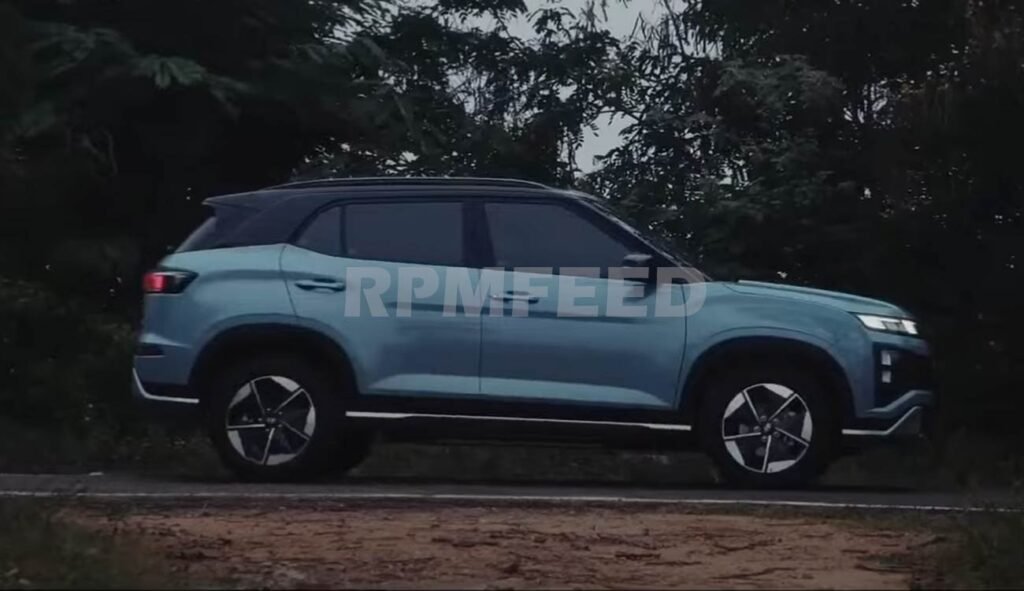
Shortly after, in February 2026, Nissan will take the wraps off the much-anticipated Tekton. This model is poised to be a direct competitor to the Hyundai Creta and will share its foundational CMF-B platform with the next-generation Renault Duster. Potential buyers can expect it to offer similar robust petrol powertrain options, marking Nissan’s serious re-entry into the hotly contested midsize SUV arena.
Looking further ahead to 2027, Nissan plans to introduce a seven-seater SUV derived from the Tekton’s architecture. This model is anticipated to be a sibling to Renault’s global Bigster/Boreal SUV concept, offering families a larger, more spacious utility vehicle.
For current owners and market watchers, the 2026 price increase on the Magnite represents a short-term shift. However, the broader narrative is Nissan’s committed investment in its Indian portfolio. The upcoming trio of models signals a strategic effort to move beyond a single-product lineup and offer Indian consumers a more comprehensive and competitive choice within the Nissan family.