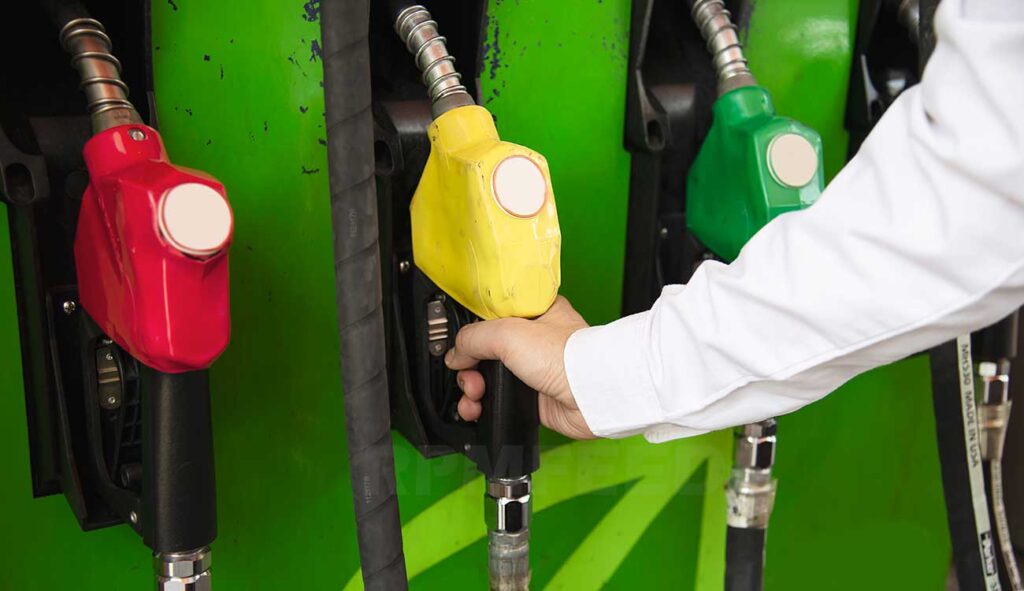
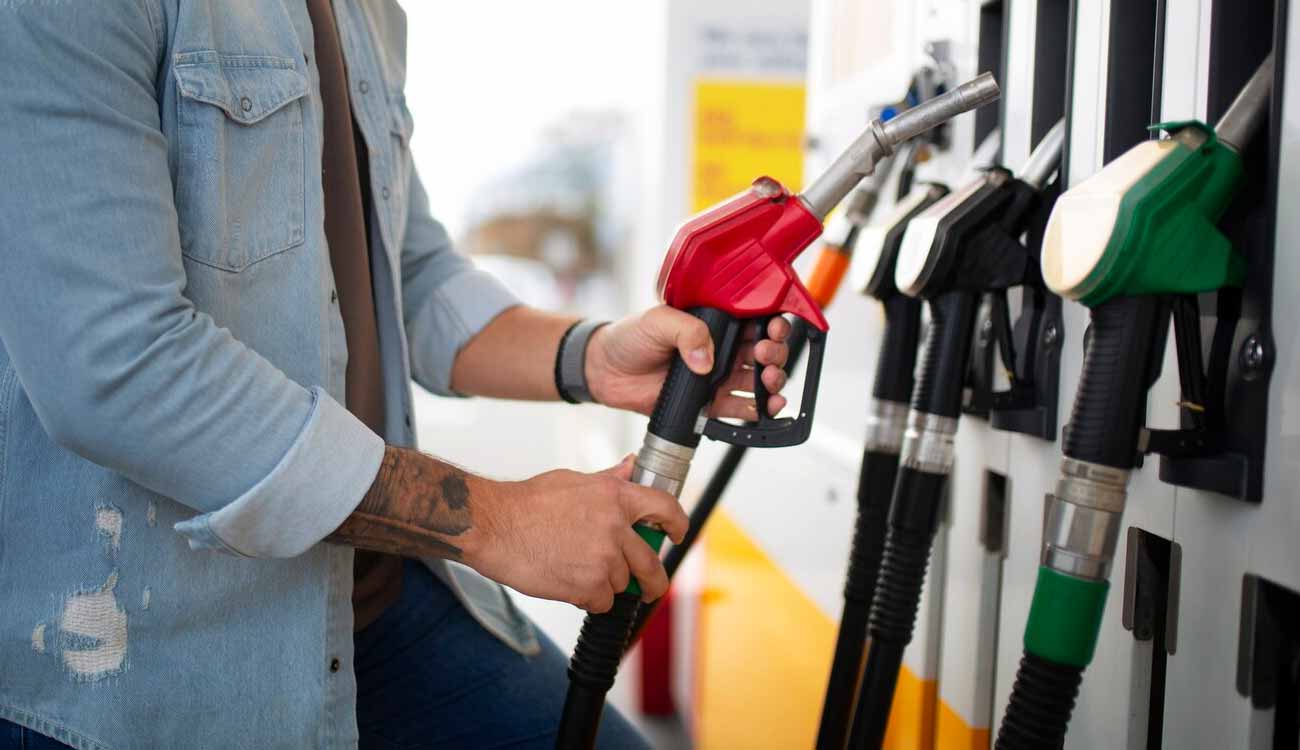
Ethanol-blended petrol is now at the forefront of fuel options across the country, promising economic and environmental gains. However, recent developments suggest a less optimistic picture, sparking concerns among vehicle owners. A reply to a recent RTI request has gone viral on the internet, unveiling details about ethanol levels in premium petrol and their impacts on vehicles and consumers alike. Here’s the full story.
E20 Fuel in Premium Petrol?
The controversy began when the Indian Oil Corporation (IOC) addressed an RTI query focused on whether premium petrol grades, like XP95, are free from ethanol blending. Contrary to expectations, the IOC’s Public Information Officer disclosed that both XP95 premium petrol and standard petrol available in Kolkata contain 20% ethanol by volume.
This revelation has alarmed vehicle owners who rely on premium petrol, believing it delivers purer fuel quality. With ethanol content now standard across both premium and regular petrol, the distinction between the two is blurred, leaving many questioning if the higher price of premium fuel is justified.
Real-World Impacts of Blended Fuels
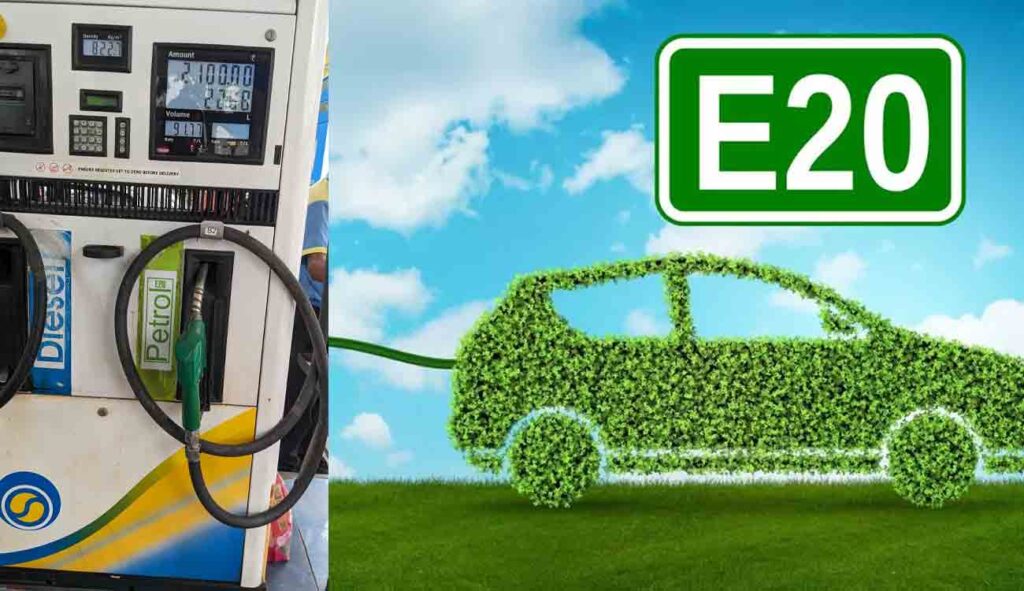
Ethanol-blended fuel is marketed as a step toward reducing carbon emissions and fuel costs. However, concerns from consumers paint a more complicated picture. Online forums and social media have been flooded with reports of reduced mileage and long-term engine issues attributed to E20 fuel.
During a recent statement, Nitin Gadkari, Minister of Road Transport and Highways, acknowledged efficiency declines caused by ethanol blends. While newer vehicles experience a drop of 2-3% in fuel efficiency, older cars have shown reductions of up to 6%. These admissions cast doubt over how well vehicles can adapt to higher ethanol concentrations.
The Bigger Picture and What’s Next
At present, the government has implemented a 20% ethanol blend as the standard across all fuel grades. But this is just the beginning. Plans for E27 fuel, with an ethanol content of 27%, are already underway. Officials believe that increasing the blending percentage could make petrol more affordable over time.
However, the transition comes with challenges. While reduced costs and lower emissions are promising, car manufacturers and consumers will need to adapt. Vehicles designed to handle pure petrol may need significant adjustments to accommodate higher ethanol levels. Manufacturers may also face pressure to innovate and produce engines optimized for future fuel blends.
What This Means for Motorists
For motorists, the implications are clear. If you’ve been relying on premium fuels like XP95 for better performance, it’s time to reassess your expectations. Understanding how your vehicle interacts with ethanol-blended fuels is essential to maintaining its health and performance. Regular servicing, monitoring mileage, and staying updated on policy changes can help you prepare for what lies ahead.
While the road to a more sustainable future sounds promising, adapting to blended fuels is a shared responsibility between policymakers, automakers, and consumers. Staying informed is the first step for motorists navigating this change.
Final Thoughts
Fuel blending policies represent a significant shift in the Indian automotive ecosystem. The transition toward ethanol blends is driven by pressing environmental and economic factors, but it also introduces new challenges for both consumers and automakers.
With E27 fuel on the horizon, now is the time for motorists to understand how ethanol blends impact vehicles and explore ways to mitigate potential downsides. Staying informed, prepared, and proactive will be key as we move into this new era of fueling solutions.