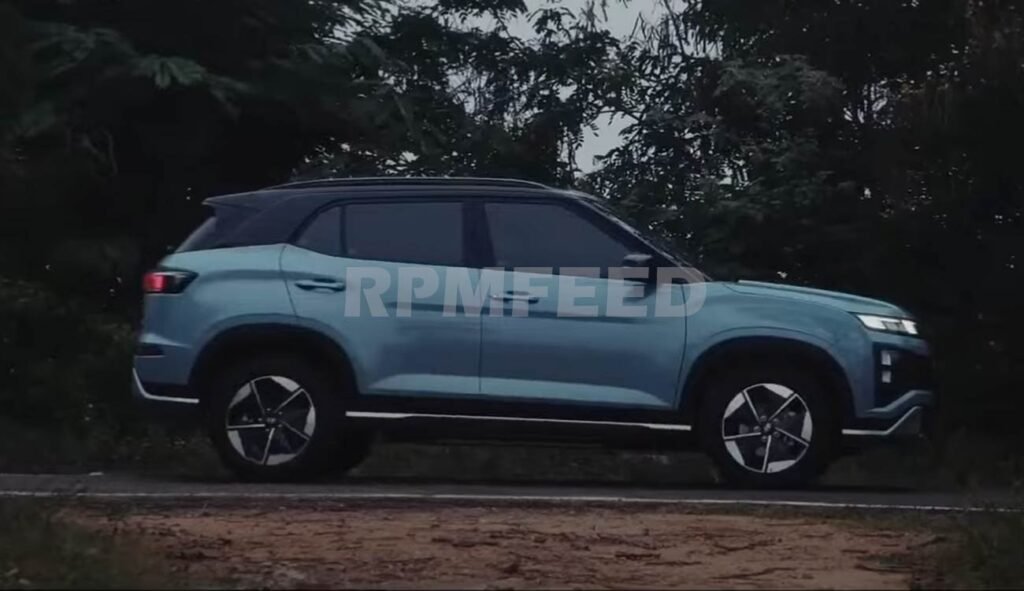
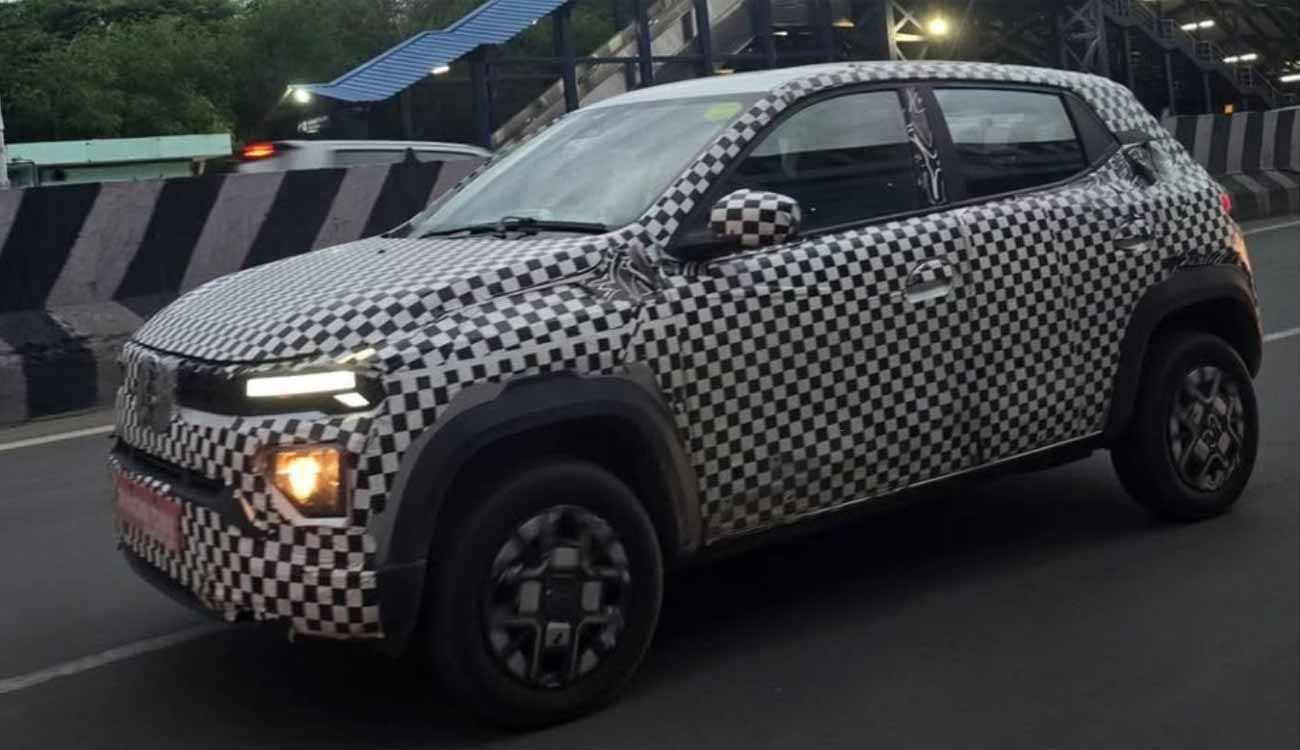
The electric vehicle revolution in India is heating up, and Renault is positioning itself to be a major player. Fresh spy shots of the all-electric Renault Kwid testing on Indian roads have sent a clear signal: an accessible, city-friendly EV is on its way to challenge the status quo.
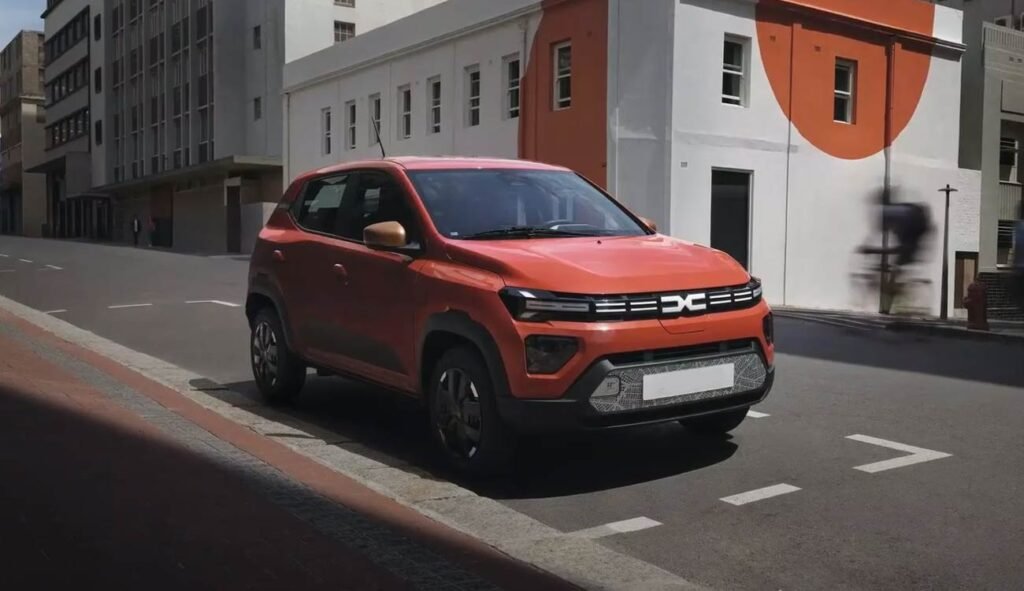
This isn’t just a routine test; it’s our most detailed look yet at a car that could redefine the entry-level EV segment. Based on the globally sold Dacia Spring, the Kwid EV is expected to bring a familiar yet futuristic design to Indian showrooms, blending the Kwid’s popular compact dimensions with a zero-emissions powertrain.
What the Spy Shots Reveal: A Familiar Face, Electrified
The camouflaged test vehicle offers a wealth of design details. Up front, the most striking change is a modern, sealed-off grille, a signature of electric vehicles, flanked by sleek LED Daytime Running Lights (DRLs). The main headlamp unit appears to be halogen, a cost-effective choice for this segment, and the prototype proudly sports Renault’s latest corporate logo.
Moving to the side and rear, the design retains the Kwid’s charming, rugged character. You can make out the squared-off wheel arches, a design cue that adds a touch of SUV-like stance. At the back, the Y-shaped graphics within the tail lamps are clearly visible, continuing a theme from the current model, while the rear bumper features new, more pronounced sculpting.
Interestingly, this test mule might be doing double duty. The design elements seen here could very well preview an upcoming facelift for the standard, petrol-powered Kwid, giving us a hint of Renault’s design direction across the entire Kwid family.
A Peek Inside the Cabin and Under the Hood
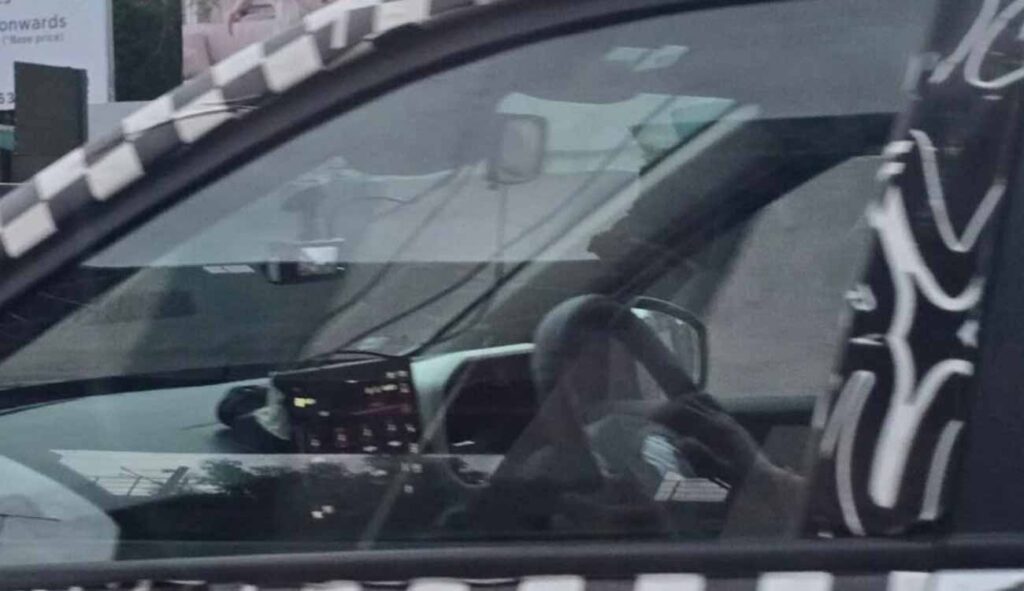
While the interior was partially visible, the spy shots confirm a significant tech upgrade. The cabin features a modern, driver-focused layout dominated by a large 10-inch touchscreen infotainment system. A multi-functional steering wheel and a 7-inch fully digital instrument cluster complete the high-tech cockpit, a substantial leap from the current model.
So, what can Indian consumers expect in terms of performance? While final specifications for India are under wraps, the global version—the Dacia Spring EV—provides a reliable blueprint.
- Powertrain: It uses an electric motor offering two power outputs: 44 HP for a standard version and a more peppy 64 HP option.
- Battery & Range: The motor draws power from a 26.8 kWh battery pack. On the stricter WLTP test cycle, it claims a driving range of over 220 km, making it perfectly suited for daily urban commutes.
- Charging & Practicality: Expect support for both standard AC charging (likely 11 kW) and faster 30 kW DC charging. A standout feature is bi-directional charging capability, which could allow the car to power external devices or even send electricity back to the grid. In terms of space, the EV layout offers a 35-litre ‘frunk’ (front trunk) under the bonnet and a decent 308-litre boot in its international guise.
The Road Ahead
For those eagerly waiting to book one, patience is key. Renault’s Indian portfolio is set for a major refresh first, with the much-anticipated new Duster SUV expected in 2025. The Kwid EV is a critical part of the next phase of this plan.
Industry insiders suggest that the development and localization process will see the Renault Kwid EV making its official debut in the Indian market only by late 2026 or early 2027. This timeline allows Renault to fine-tune the car for Indian conditions and, crucially, achieve a competitive price point that could make electric mobility a reality for a much wider audience.