
The motorcycle world is preparing to bid farewell to one of its most enduring icons. Suzuki’s SV650, a machine that has captured hearts and served riders faithfully since 1999, will no longer grace European showrooms starting in 2026. The culprit? Increasingly stringent emissions regulations that the aging platform simply cannot meet without significant investment.
This news marks the end of an extraordinary chapter in motorcycling history. The SV650 has weathered multiple generations, economic downturns, and shifting market preferences while maintaining its position as the go-to choice for riders seeking accessible performance wrapped in timeless styling.
A Quarter-Century Journey
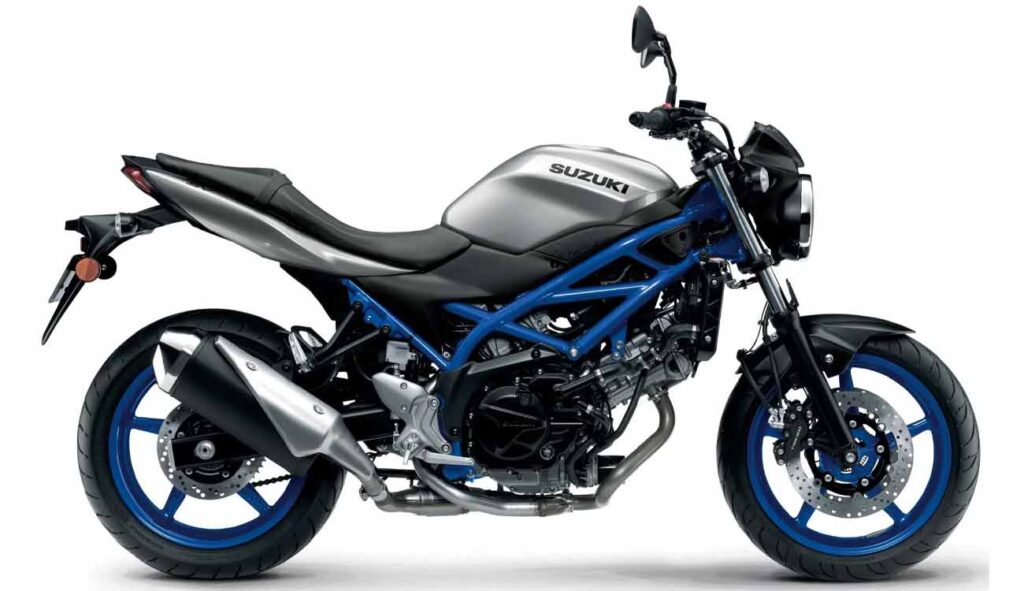
When Suzuki first unveiled the SV650 in 1999, few could have predicted its remarkable staying power. The bike emerged during an era when manufacturers were exploring new ways to make performance motorcycles more approachable, and the SV delivered exactly what the market craved.
The secret sauce lay in its 645cc V-twin engine, positioned at a distinctive 90-degree angle that gave the bike both visual character and mechanical personality. Producing 76 horsepower and 64 Newton-meters of torque in its final iteration, this powerplant struck an ideal balance between excitement and manageability. Riders could push hard on track days or cruise comfortably through daily commutes with equal satisfaction.
What truly set the SV650 apart was its democratic appeal. Novice riders found it forgiving enough to build confidence, while experienced motorcyclists appreciated its honest, predictable nature. This broad accessibility helped establish the SV650 as what many consider the quintessential modern Universal Japanese Motorcycle.
The design philosophy remained remarkably consistent throughout its production run. That signature round headlight, exposed trellis frame, and clean proportions created a visual identity that transcended fleeting trends. Even as styling fads came and went, the SV650 maintained its understated elegance.
Evolution Through Generations
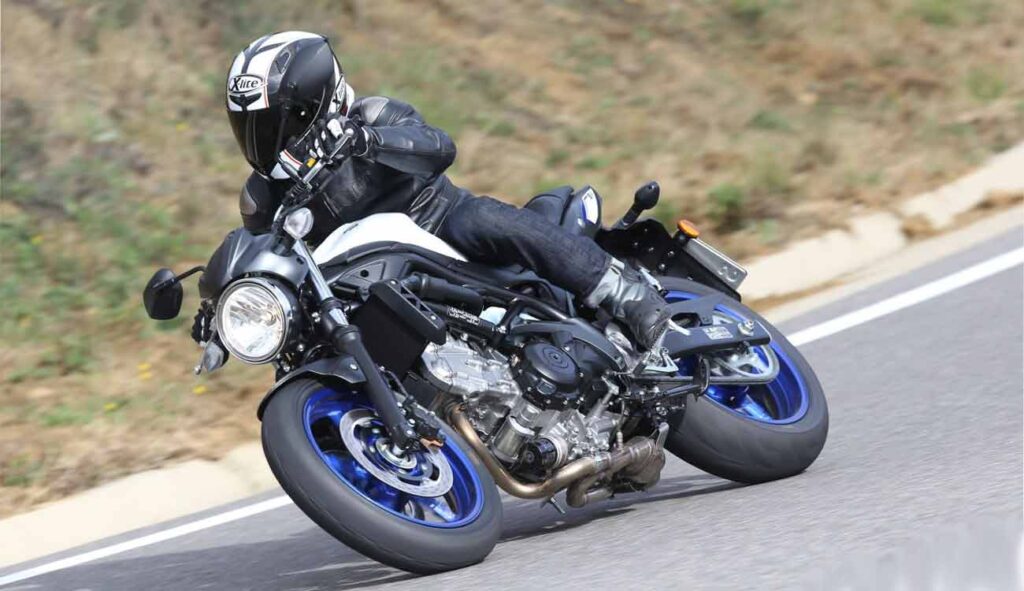
The motorcycle’s journey through different generations reveals fascinating insights into changing industry priorities. The original 1999 models arrived in two configurations: a naked standard version and the semi-faired ‘S’ variant that appealed to sport-touring enthusiasts. These early bikes relied on carburetion and delivered 70 horsepower, establishing the foundation for everything that followed.
A significant upgrade arrived in 2003, bringing fuel injection and refined styling that addressed early criticisms while preserving the core character that made the bike special. The second generation also introduced an aluminum perimeter frame that transformed the SV650 into a legitimate track weapon for budget-conscious enthusiasts.
Suzuki temporarily retired the SV650 nameplate in 2013, replacing it with the polarizing Gladius SFV650. While mechanically similar, the Gladius never captured the same emotional connection, proving that sometimes classic design approaches work best.
Recognition of this misstep led to the SV650’s triumphant return in 2016, complete with styling that honored its heritage while incorporating modern amenities. This generation also spawned the SV650X, a café racer variant that tapped into the growing retro motorcycle movement.
Regional Variations and Global Impact

While European markets prepare for the SV650’s departure, the story isn’t necessarily ending everywhere. Regions with less restrictive emissions standards, particularly North America, may continue enjoying access to this beloved machine. This geographic variation in regulatory requirements often creates situations where discontinued models live on in certain markets.
Indian riders experienced the SV650’s DNA through the V-Strom 650 XT, which shared the same fundamental engine and many mechanical components. This adventure-touring variant demonstrated the platform’s versatility while serving markets where the naked SV650 never officially arrived.
Today, both the SV650 and V-Strom 650 XT have been largely superseded by Suzuki’s newer GSX-8S and V-Strom 800DE models, which offer more power, better efficiency, and compliance with current emissions standards.
The Emissions Challenge
The SV650’s impending European discontinuation highlights a broader challenge facing the motorcycle industry. As governments worldwide implement stricter environmental regulations, manufacturers must choose between expensive updates to aging platforms or discontinuation in favor of newer, cleaner designs.
For a model like the SV650, which succeeded partly due to its affordability, the cost of comprehensive emissions upgrades could fundamentally alter its market position. Sometimes, the most honorable exit involves recognizing when a design has reached the end of its natural evolution.
Legacy and Future Possibilities
Despite this setback, the SV650’s influence on motorcycling extends far beyond sales figures or production years. It proved that motorcycles don’t need cutting-edge technology or extreme performance to capture riders’ imaginations. Sometimes, honest engineering, attractive pricing, and timeless design create more lasting appeal than flashy innovations.
Suzuki has previously demonstrated willingness to revive discontinued models when conditions align favorably. Both the Hayabusa and GSX-R1000R returned from extended hiatuses, albeit with significant updates that addressed contemporary requirements while preserving their essential character.
Whether the SV650 nameplate will someday return remains speculation, but its impact on motorcycling culture is undeniable. For 26 years, it served as many riders’ introduction to the joys of motorcycling while remaining relevant to experienced enthusiasts seeking practical excitement.
As 2026 approaches, European SV650 owners can take pride in possessing what may become increasingly rare examples of motorcycling’s democratic ideal—machines that prioritized accessibility and enjoyment over complexity and excess.