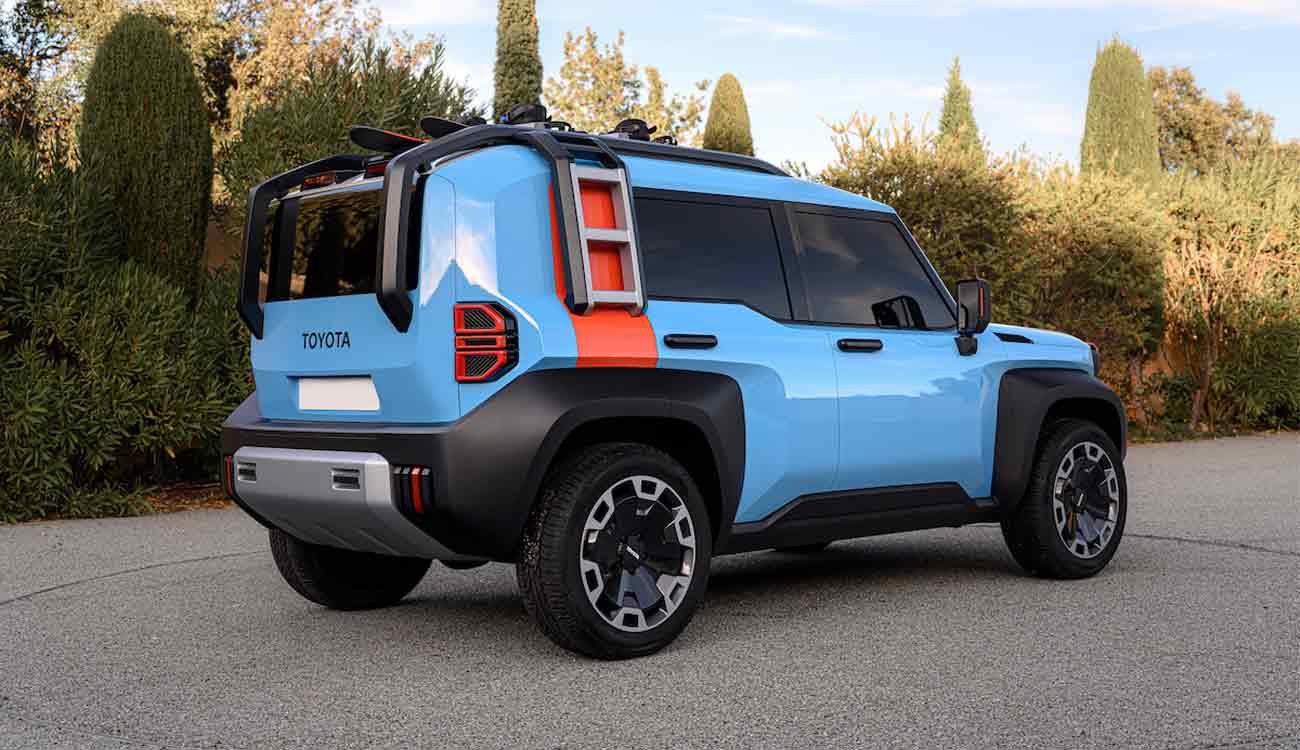
Toyota is preparing to expand its SUV lineup with an exciting new addition that promises to bring legendary Land Cruiser DNA to a more accessible price point. The upcoming Toyota Land Cruiser FJ represents a strategic move by the Japanese automaker to capture buyers seeking genuine off-road capability without the premium price tag of larger SUVs.
What Makes the Land Cruiser FJ Different
Unlike Toyota’s flagship off-road vehicles, the Land Cruiser FJ positions itself as an entry-level option that doesn’t compromise on capability. This compact SUV will sit below the popular Fortuner in Toyota’s hierarchy, creating a new category for adventure-seeking drivers who want authentic off-road performance in a smaller package.
The vehicle draws inspiration from Toyota’s rich heritage of building unstoppable off-road machines, but packages that DNA into a more manageable size and price point. This approach could attract younger buyers and urban dwellers who need capability without the bulk of traditional off-roaders.
Design Philosophy and Styling Approach
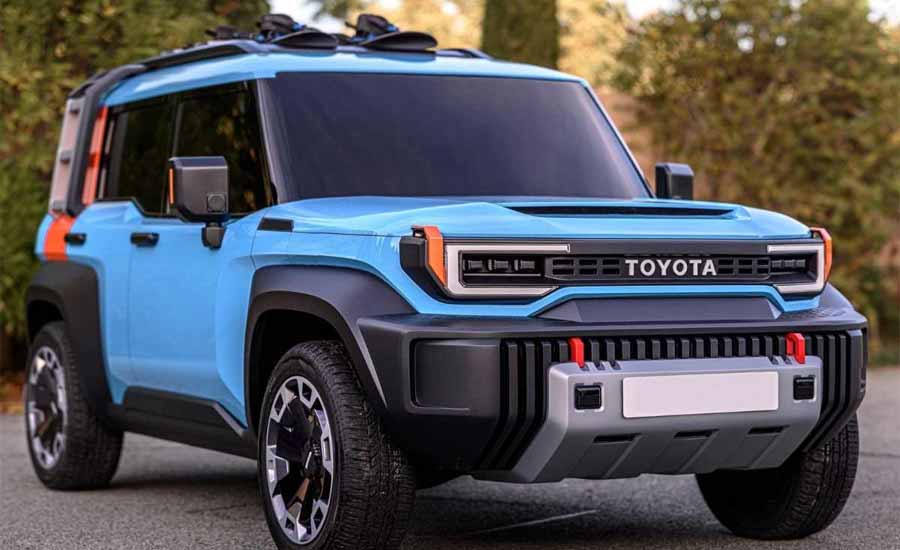
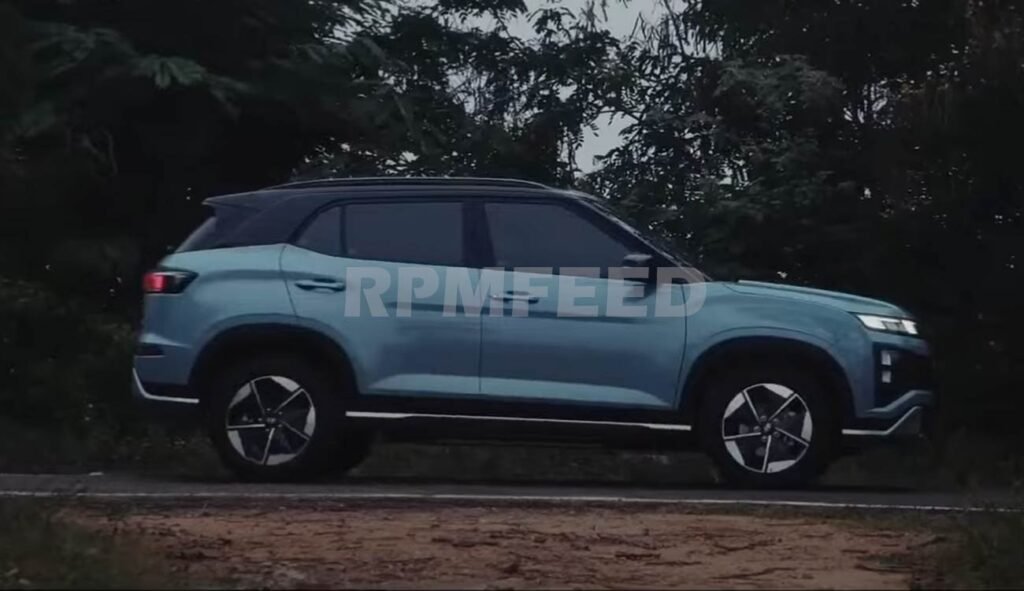
Toyota’s design team has crafted the Land Cruiser FJ with a clear focus on function over form, though the result is undeniably striking. The SUV features bold, angular lines that immediately communicate its serious off-road intentions. Patent documents reveal a design language that pays homage to classic Land Cruiser models while incorporating modern safety and efficiency requirements.
The front fascia showcases a commanding upright stance with chunky wheel arches that suggest serious ground clearance. These design elements aren’t just for show – they indicate the practical engineering underneath that enables the vehicle to tackle challenging terrain. The boxy proportions maximize interior space while maintaining the structural integrity needed for off-road durability.
Platform and Engineering Excellence
Built on Toyota’s proven IMV 0 ladder-frame platform, the Land Cruiser FJ shares its foundation with the globally successful Hilux Champ. This platform choice demonstrates Toyota’s commitment to genuine capability rather than creating another soft-roader that looks tough but can’t deliver when the pavement ends.
The ladder-frame construction provides the backbone strength necessary for serious off-road work, while also enabling the vehicle to handle towing duties that unibody competitors simply can’t match. This engineering approach represents Toyota’s understanding that buyers in this segment want real capability, not just the appearance of ruggedness.
Engine Options and Performance Capabilities

Toyota plans to offer multiple powertrains to meet diverse regional needs and preferences. The entry-level option will likely feature a 1.5-liter diesel engine, providing an efficient starting point for budget-conscious buyers who still want diesel torque for off-road adventures.
Moving up the range, Toyota’s well-regarded 2.8-liter GD mild-hybrid diesel engine brings proven performance with modern efficiency. This powertrain already demonstrates its capabilities in other Toyota models, combining strong low-end torque with reasonable fuel economy. The 48V mild-hybrid system adds electric assistance during acceleration while enabling advanced start-stop functionality.
For markets preferring gasoline engines, Toyota is considering 2.0-liter and 2.7-liter four-cylinder options. These engines would provide different performance characteristics while potentially offering lower initial purchase prices in regions where diesel fuel carries premium pricing.
Off-Road Technology and Capability
The Land Cruiser FJ’s off-road credentials extend beyond its robust platform to include sophisticated traction management systems. Toyota plans to equip the vehicle with a Torsen limited-slip differential, a mechanical system that automatically transfers power to wheels with the most grip without electronic intervention.
Complementing this hardware will be selectable terrain modes that optimize engine, transmission, and stability control settings for different surface conditions. These systems allow drivers to maximize traction on sand, rock, mud, and other challenging surfaces without needing extensive off-road driving experience.
The permanent four-wheel-drive system ensures that power reaches all wheels at all times, providing confidence in changing conditions. This approach differs from part-time systems that require driver intervention to engage four-wheel drive.
Production Timeline and Market Strategy
Global production of the Land Cruiser FJ is scheduled to begin in the second quarter of next year, with initial markets likely receiving the vehicle shortly thereafter. This timeline suggests Toyota has moved beyond the concept phase and is finalizing production details.
The manufacturing strategy appears designed to enable relatively quick global rollout once production begins. By utilizing an existing platform and proven powertrains, Toyota can minimize the typical delays associated with launching completely new vehicles.
Market Positioning and Competition
The Land Cruiser FJ enters a competitive segment where buyers have limited options for genuine off-road capability at accessible prices. Most compact SUVs prioritize on-road comfort and fuel economy over serious off-road performance, creating an opportunity for Toyota’s more rugged approach.
This positioning strategy reflects Toyota’s confidence in its off-road reputation and engineering capabilities. Rather than competing directly with mainstream compact SUVs, the Land Cruiser FJ creates its own niche for buyers who prioritize capability over convenience features.
Future Electrification Possibilities
While no official confirmation exists regarding electric variants, the IMV 0 platform’s flexibility could eventually accommodate battery-electric powertrains. This potential future development would align with Toyota’s broader electrification strategy while maintaining the vehicle’s core capability focus.
Such flexibility ensures the Land Cruiser FJ could evolve with changing market demands and regulatory requirements without requiring a complete redesign. This forward-thinking approach demonstrates Toyota’s long-term commitment to the model line.
Indian Market Prospects
Although Toyota hasn’t officially confirmed plans for an Indian launch, the strong demand for capable SUVs in the market creates compelling business reasons for introduction. The Land Cruiser FJ would fill a unique position below the Fortuner while offering capabilities that mainstream compact SUVs can’t match.
The Indian market’s appreciation for vehicles that can handle diverse road conditions makes it a natural fit for the Land Cruiser FJ’s capabilities. Success would depend on competitive pricing and appropriate feature content for local preferences.
The Toyota Land Cruiser FJ represents more than just another SUV launch – it signals Toyota’s commitment to making genuine off-road capability accessible to a broader range of buyers. By combining proven engineering with thoughtful packaging, this new model could redefine expectations in the compact SUV segment.